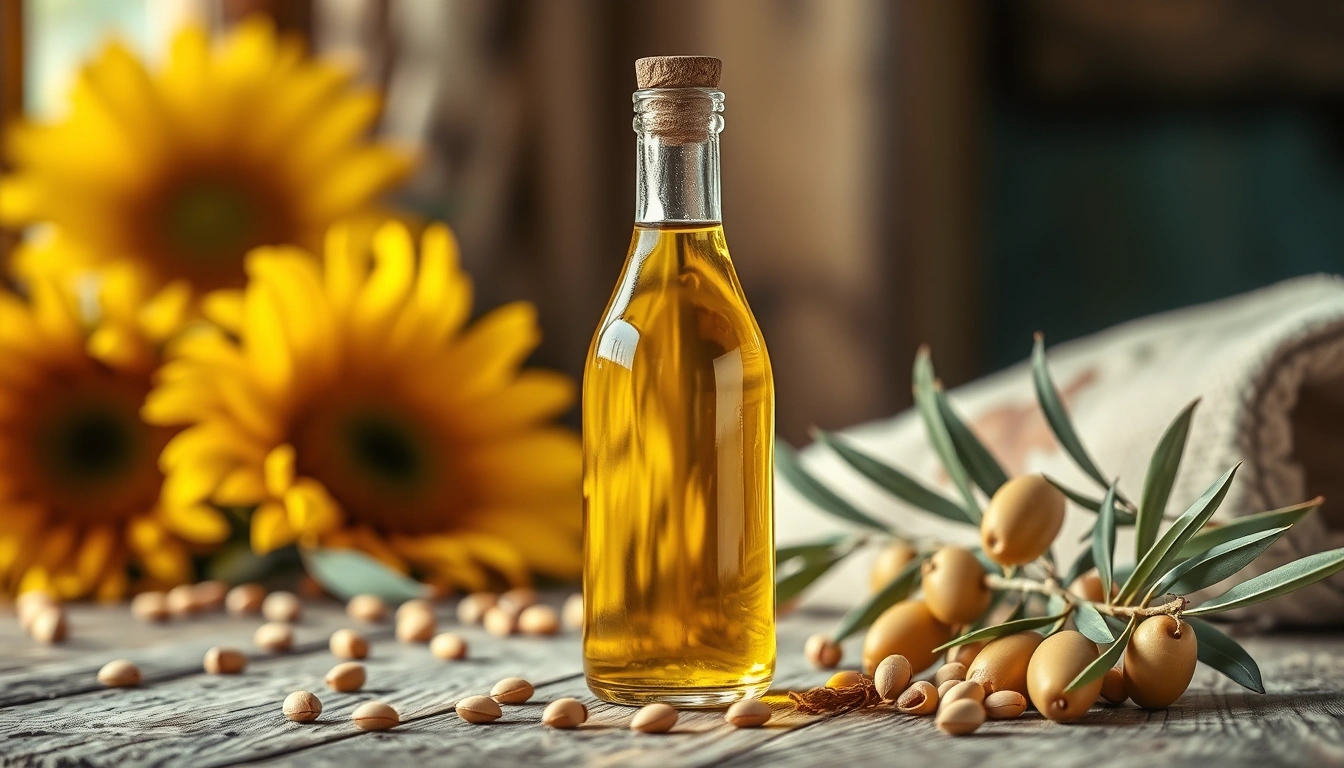
Oil
884 kcal per 100 g
Category: Oils and Fats
Nutritional information (per 100 g)
| Calories | 884 kcal |
| Protein | 0g |
| Carbohydrates | 0g |
| Total fats | 100g |
| Saturated fats | 14g |
| Fiber | 0g |
| Sodium | 0mg |
| Cholesterol | 0mg |
Vitamins and minerals
Description
Oil is a term commonly used to refer to different types of oils used in cooking, especially those of vegetable origin. Essentially, oil is an edible oil that can be extracted from seeds, fruits, or plants, and it is fundamental in the preparation of a wide variety of dishes due to its ability to cook, fry, and add flavor.
Origin: The word "óleo" comes from the Latin oleum, which means oil. In Latin American gastronomy, the term is used to refer to oils such as sunflower, corn, soybean, olive, among others, all with diverse culinary uses.
Properties: Oil is an important source of essential fatty acids and fat-soluble vitamins (A, D, E, and K). Depending on the type of oil, it can provide healthy fats that help maintain a healthy heart, improve metabolism, and facilitate nutrient absorption. In cooking, besides its function for frying or sautéing, oil is used for dressing and giving texture to preparations.
Synonyms in Spanish from Latin America: depending on the country, óleo can also be called aceite, aceite vegetal, aceite comestible, or simply grasa líquida. For example, in countries like Mexico, Colombia, or Argentina, the most common word is aceite, while in some regions of South America, óleo may be used to distinguish it from other types of fats.