Palm oil
884 kcal per 100 g
Category: Oils and Fats
Nutritional information (per 100 g)
| Calories | 884 kcal |
| Protein | 0g |
| Carbohydrates | 0g |
| Total fats | 100g |
| Saturated fats | 49.27g |
| Fiber | 0g |
| Cholesterol | 0mg |
Vitamins and minerals
Description
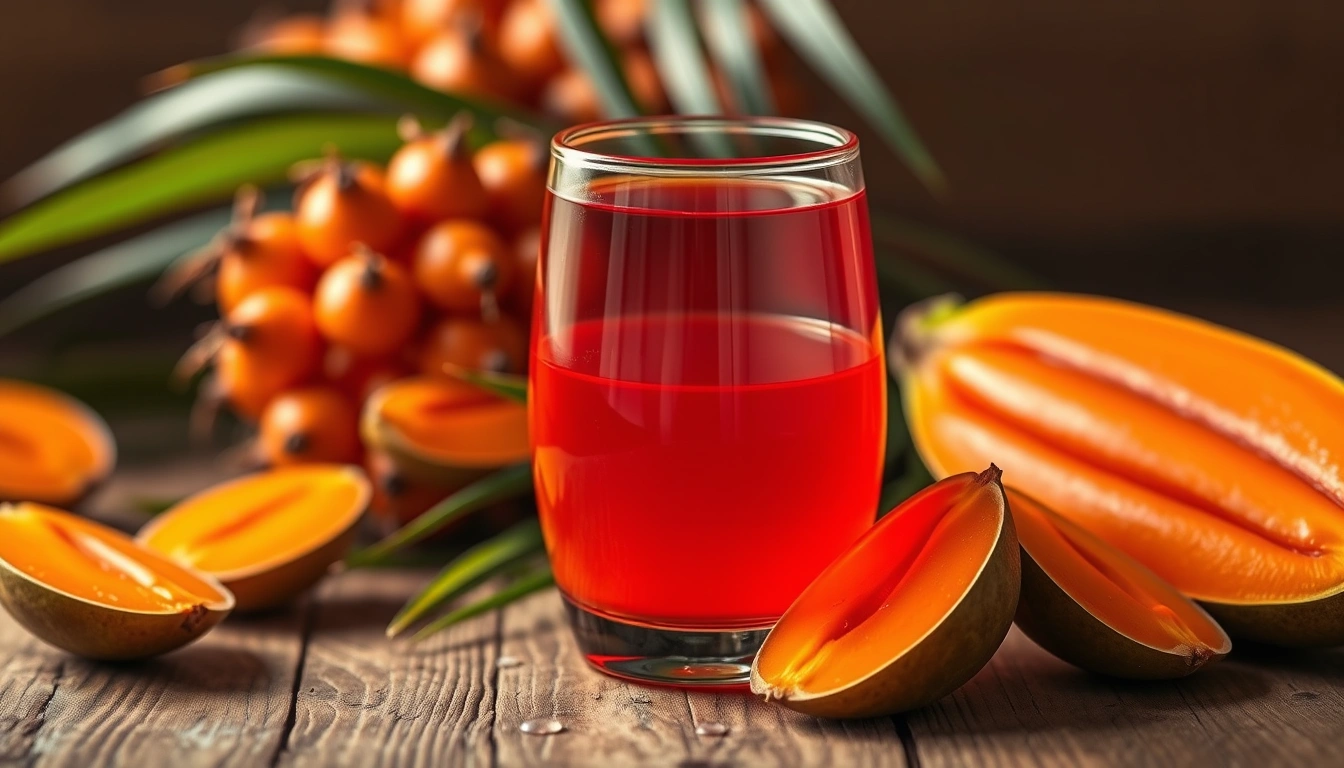
Palm oil is a vegetable oil obtained from the fruit of the African oil palm (Elaeis guineensis), a plant native to West Africa. It is characterized by its intense reddish-orange color due to its high beta-carotene content and is widely used in cooking for its neutral flavor, stability at high temperatures, and semi-solid texture at room temperature.
Palm oil is an essential ingredient in many traditional and modern recipes, especially in preparations that require frying, baking, or sauces, as it provides a creamy texture and helps preserve food for longer. Its high content of saturated and monounsaturated fats gives it good heat resistance, preventing it from oxidizing easily during cooking.
Regarding its nutritional properties, in addition to being an important source of energy, it contains natural antioxidants such as vitamin E and carotenoids, which contribute to cellular protection. However, it is recommended to consume it in moderation due to its saturated fat content.
In different regions of Latin America, palm oil can be found under the following synonyms:
- Red palm oil
- African palm oil
- Palm butter (in some countries when referring to its solid form)
This ingredient is fundamental in the cuisine of countries such as Colombia, Ecuador, and Brazil, where it is used in traditional dishes like sancocho, rice with shrimp, and various fried foods.