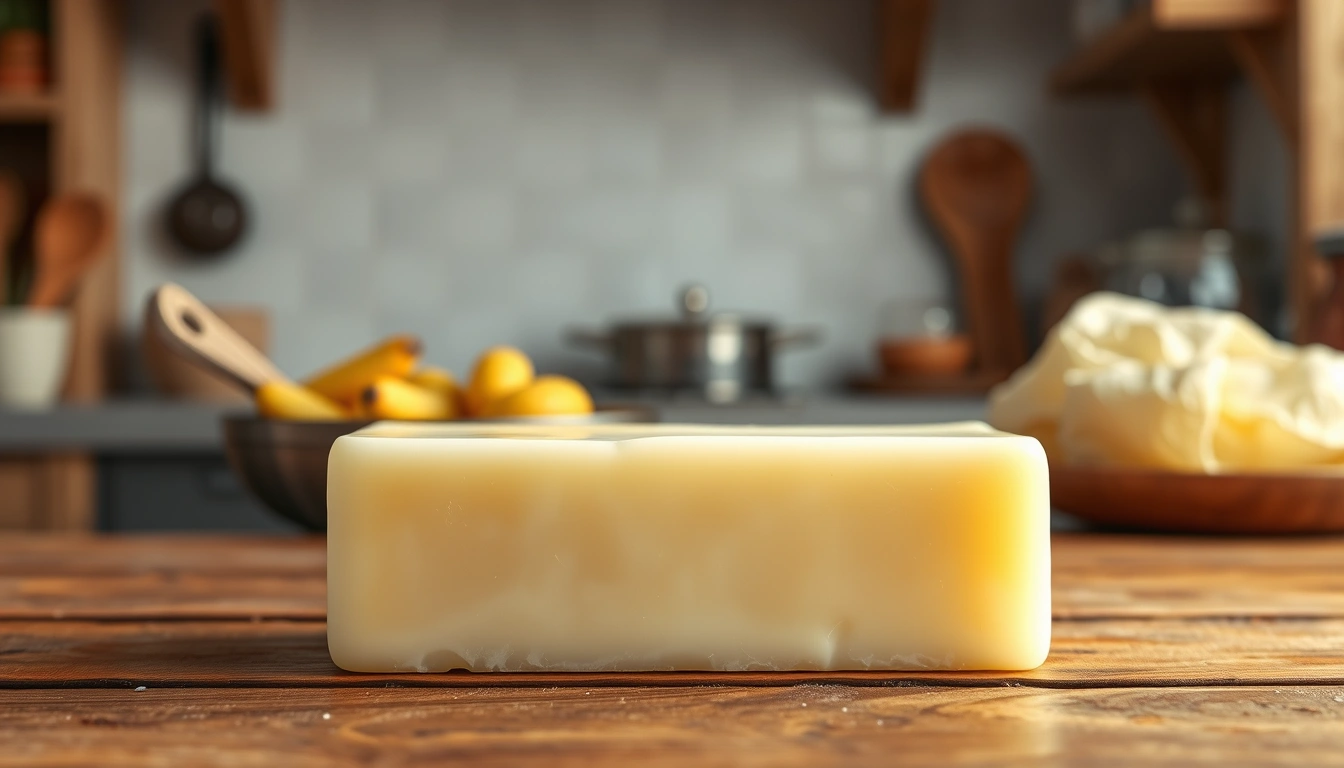
Paraffin wax block
0 kcal per 100 g
Category: Oils and Fats
Nutritional information (per 100 g)
| Calories | 0 kcal |
| Protein | 0g |
| Carbohydrates | 0g |
| Total fats | 0g |
| Fiber | 0g |
Vitamins and minerals
Description
Paraffin wax block
Paraffin wax is a waxy solid derived from petroleum, characterized by its white or slightly yellowish color and its hard yet malleable texture when heated. In cooking, it is primarily used in the preparation of preserves, coatings for artisanal cheeses, and in the presentation of certain foods to protect them from moisture and prolong their freshness.
Its origin comes from the processing of crude oil, where it is extracted and refined to obtain this odorless and tasteless substance, which is ideal for food use when it meets specific standards.
Among its properties, its high resistance to water, relatively low melting point (approximately 46-68 °C / 115-154 °F), and its ability to create a protective barrier that prevents food from coming into contact with air stand out, helping to preserve flavors and textures.
In the Latin American culinary world, paraffin wax is also known as block paraffin, paraffin wax, or simply paraffin. It is important not to confuse it with other natural waxes like beeswax.
Its use requires caution, ensuring it is a paraffin suitable for food use, as not all paraffins comply with the regulations for contact with food.