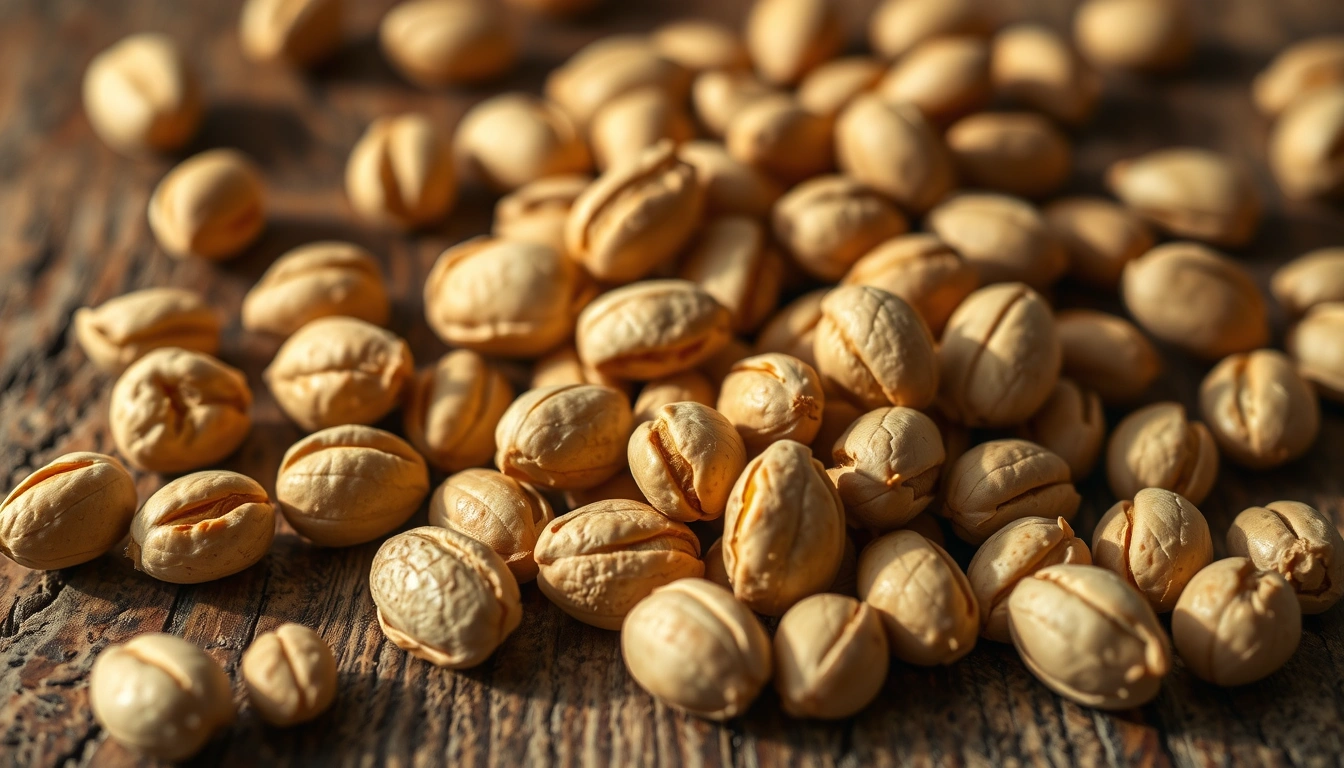
Pine nuts
673 kcal per 100 g
Category: Nuts
Nutritional information (per 100 g)
| Calories | 673 kcal |
| Protein | 13.7g |
| Carbohydrates | 13g |
| Sugars | 3.6g |
| Total fats | 68g |
| Saturated fats | 4.5g |
| Fiber | 3.7g |
Vitamins and minerals
Description
Pine nuts are the edible seeds obtained from the cones of certain pine trees, particularly the stone pine (Pinus pinea). These small nuts have a soft texture and a delicately sweet and resinous flavor, making them a highly valued ingredient in Mediterranean cuisine and in various recipes around the world.
The origin of pine nuts is primarily in the Mediterranean basin, although they are also harvested in regions of Latin America and the southwestern United States. Some Latin American countries use them in their traditional dishes, taking advantage of their nutritional value and unique flavor.
Properties: Pine nuts are rich in healthy fats, primarily monounsaturated fatty acids, and are also a good source of protein, fiber, B vitamins, vitamin E, and minerals such as magnesium, iron, and zinc. Due to their high caloric content, it is recommended to consume them in moderate portions to provide energy and essential nutrients without excess.
In different Spanish-speaking countries, they are also known by other names. Some common synonyms in Latin America include piñón (singular and plural, used in Mexico and Andean countries), pinones, semillas de pino (pine seeds), or pepinillos de pino (pine gherkins) in certain regions. However, the term piñones (pine nuts) is the most universal and recognized in culinary recipes.
They are an essential ingredient in preparations such as Italian pesto, salads, desserts, and as a topping for savory dishes, providing aroma, flavor, and an unmistakable crunchy touch.