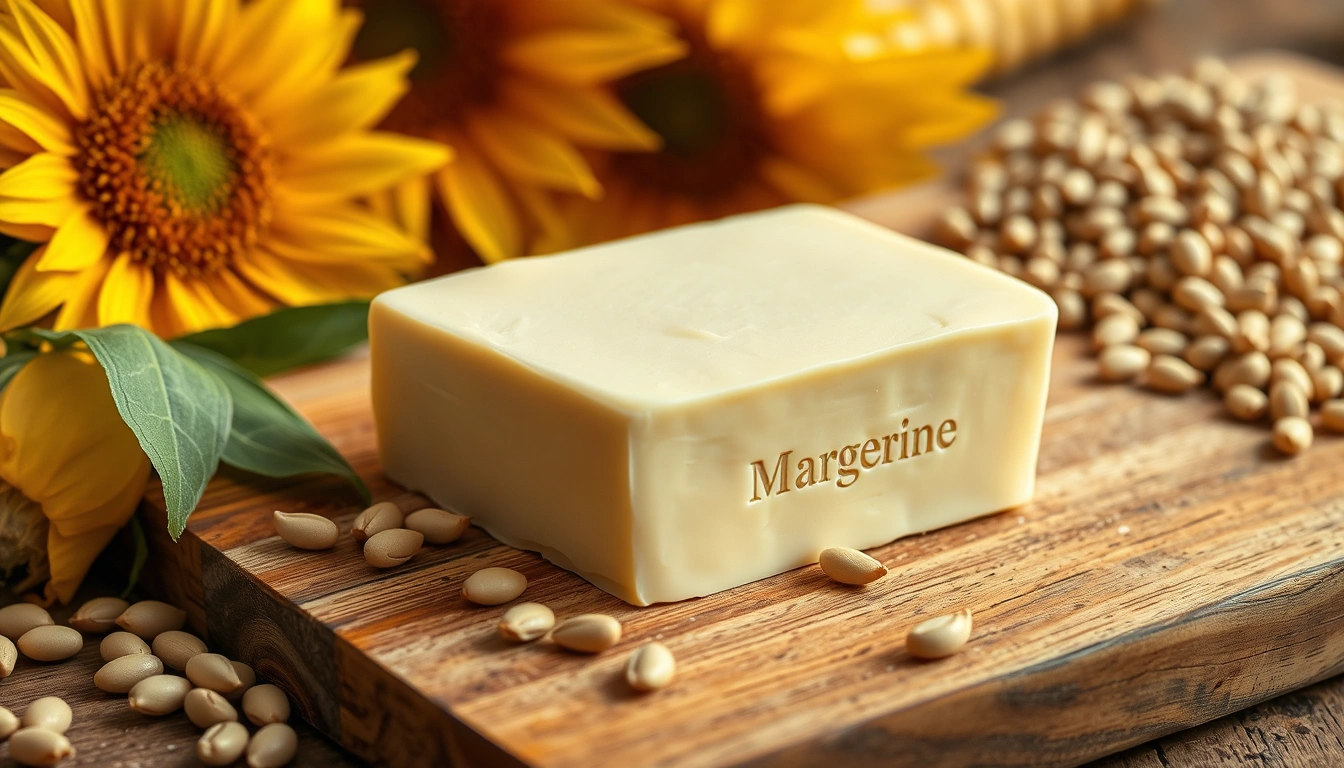
Polyunsaturated margarine
717 kcal per 100 g
Category: Oils and Fats
Nutritional information (per 100 g)
| Calories | 717 kcal |
| Protein | 0g |
| Carbohydrates | 0g |
| Total fats | 81g |
| Saturated fats | 10g |
| Fiber | 0g |
| Cholesterol | 0mg |
Vitamins and minerals
Description
Polyunsaturated margarine is a type of margarine made primarily from vegetable oils rich in polyunsaturated fatty acids, such as sunflower, corn, or soybean oil. It is commonly used in cooking as an alternative to butter due to its soft texture and its ability to be spread, fried, and baked. Its volume and consistency make it ideal for preparing desserts, breads, and sauces.
The origin of margarine dates back to the 19th century in Europe, when it was developed as an accessible and economical substitute for butter. The polyunsaturated version is distinguished by its higher content of healthy unsaturated fats, which are beneficial for cardiovascular health.
Regarding its properties, polyunsaturated margarine is known for:
- Being a source of essential fatty acids, such as omega-3 and omega-6.
- Contributing to the reduction of LDL cholesterol (bad cholesterol) when consumed in place of saturated fats.
- Providing a creamy texture and neutral flavor in recipe preparation.
In different Latin American countries, polyunsaturated margarine may be found under synonyms such as vegetable margarine, light margarine, or simply margarine, and its use is common in daily cooking to replace butter in various preparations.