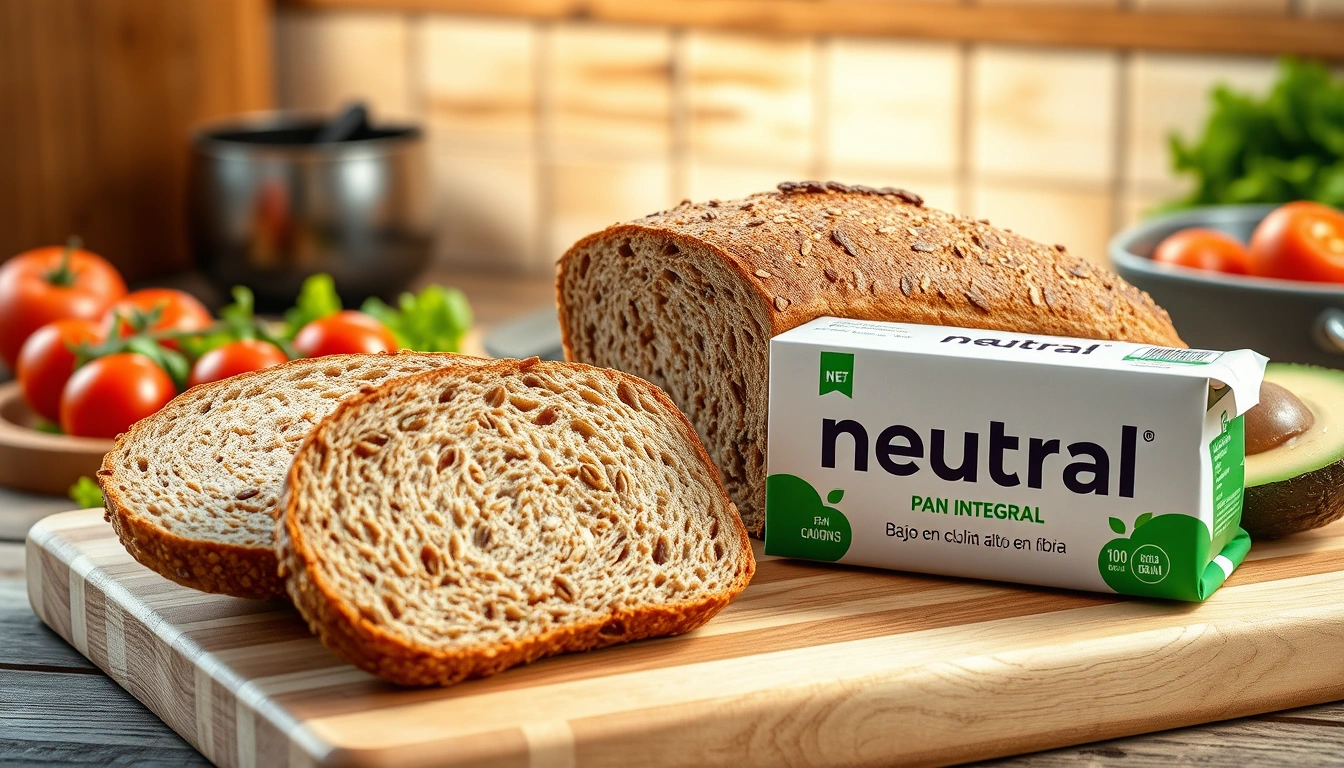
Reduced-calorie whole wheat bread
210 kcal per 100 g
Category: Cereals and Grains
Nutritional information (per 100 g)
| Calories | 210 kcal |
| Protein | 9g |
| Carbohydrates | 40g |
| Sugars | 4g |
| Total fats | 3.5g |
| Fiber | 7.0g |
Vitamins and minerals
Description
Reduced-calorie whole wheat bread is a type of bread made primarily with whole wheat flour, which retains the bran and germ of the wheat grain, providing a higher amount of dietary fiber and nutrients compared to traditional white bread. This bread has been specially formulated to contain fewer calories by reducing added fats and sugars, making it an ideal healthy choice for those looking to control their caloric intake without giving up the taste and texture of whole wheat bread.
Whole wheat bread has its origins in European baking traditions and has become increasingly popular in modern kitchens worldwide as a nutritious alternative. In recipes, it is very versatile and is used to prepare sandwiches, toast, as a base for side dishes, or salads.
Main properties:
- High in fiber, which helps improve digestion and provides a feeling of fullness.
- Lower in calories compared to regular whole wheat bread, ideal for energy-controlled diets.
- A source of B vitamins, and minerals such as magnesium, iron, and zinc.
- Helps maintain stable blood glucose levels thanks to its low glycemic index.
In different regions of Latin America, whole wheat bread may have alternative names or synonyms, although reduced-calorie versions are not always specifically distinguished. Some common terms are:
- Pan integral (Mexico, Argentina, Chile, Colombia, Peru)
- Pan de trigo integral (various regions)
- Pan saludable (a more generic term used in some areas for breads with nutritional benefits)
In summary, reduced-calorie whole wheat bread is a key ingredient for recipes focused on a balanced diet, promoting health without sacrificing flavor.