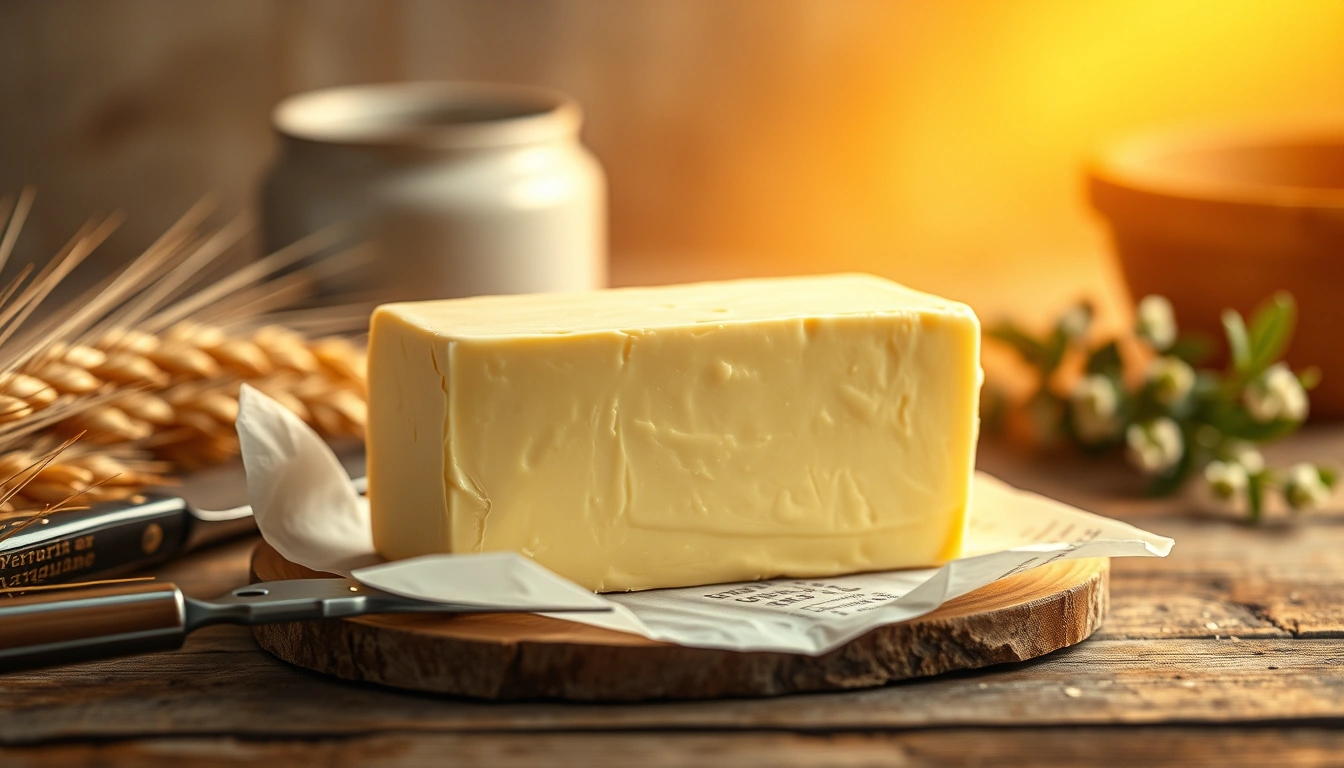
Regular margarine
717 kcal per 100 g
Category: Oils and Fats
Nutritional information (per 100 g)
| Calories | 717 kcal |
| Protein | 0.1g |
| Carbohydrates | 0.6g |
| Sugars | 0g |
| Total fats | 81g |
| Saturated fats | 51g |
| Trans Fat | 2g |
| Fiber | 0g |
| Sodium | 717mg |
| Cholesterol | 0mg |
Vitamins and minerals
Description
Regular margarine is a food product primarily made from vegetable oils that have undergone a process of hydrogenation or interesterification to achieve a solid or semi-solid texture similar to butter. It is commonly used in cooking for spreading, baking, frying, and as a substitute for butter in various recipes, providing creaminess and a mild flavor.
The origin of margarine dates back to the 19th century in Europe when it was developed as an economical alternative to animal butter. Today, its production has spread worldwide, and it is a staple ingredient in many kitchens due to its versatility and affordable cost.
Among its properties, regular margarine is a source of fats, primarily unsaturated when made with healthy vegetable oils, although some versions may contain trans fats if not produced using modern processes. It can also be enriched with vitamins A and D, making it a nutritious complement for various culinary preparations.
Regarding synonyms in Spanish from Latin America, regular margarine is known as manteca vegetal (vegetable shortening) in some countries, although it should be distinguished from lard (manteca de cerdo). It may also simply be called margarina, which is the most universal term for this product throughout the Spanish-speaking world.