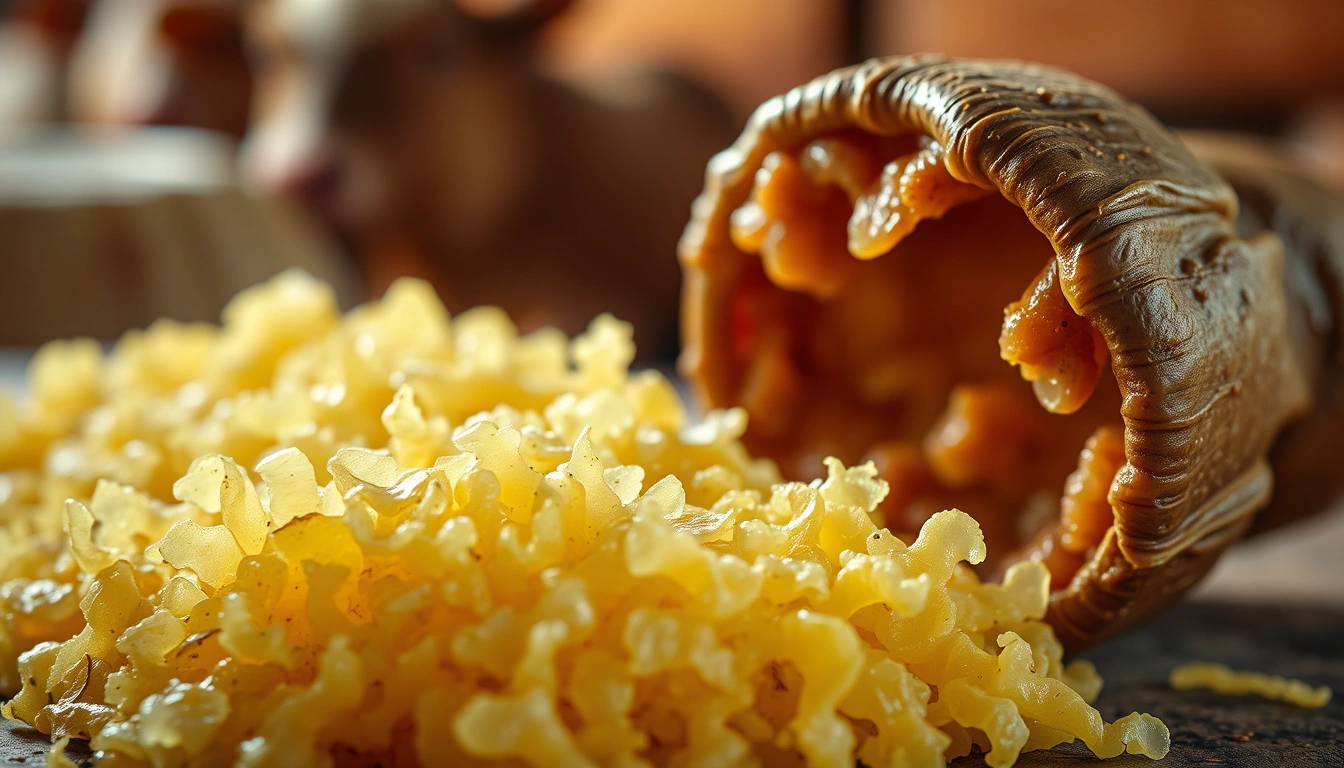
Rennet
105 kcal per 100 g
Category: Oils and Fats
Nutritional information (per 100 g)
| Calories | 105 kcal |
| Protein | 18g |
| Carbohydrates | 0g |
| Total fats | 8.7g |
| Fiber | 0g |
Vitamins and minerals
Description
Rennet is a natural substance primarily used in cheese making to coagulate milk and separate the curds from the whey. It is traditionally obtained from the stomach of young ruminant animals, such as calves, although there are now also versions of plant-based and microbial origin that function as coagulants.
Rennet has its origins in ancient animal husbandry practices and the artisanal production of cheese in various cultures around the world, especially in Europe and Latin America. It is a fundamental ingredient in recipes that require the transformation of milk into cheese, contributing to the firm and characteristic texture of these dairy products.
From a nutritional standpoint, rennet itself does not provide significant nutrients, as it is used in small quantities as a coagulating agent. However, its use is essential for the production of cheeses, which are an important source of protein, calcium, and vitamins.
In the Hispanic American sphere, rennet is also known by other terms depending on the region, such as cuajillo in some Andean countries, cuajo de vaca (cow rennet), or simply natural rennet. It is important to note that for vegetarian or vegan uses, alternative rennets derived from plants or microorganisms are employed.
In summary, rennet is a key ingredient in cooking, especially in the making of cheeses that are part of many traditional and contemporary recipes.