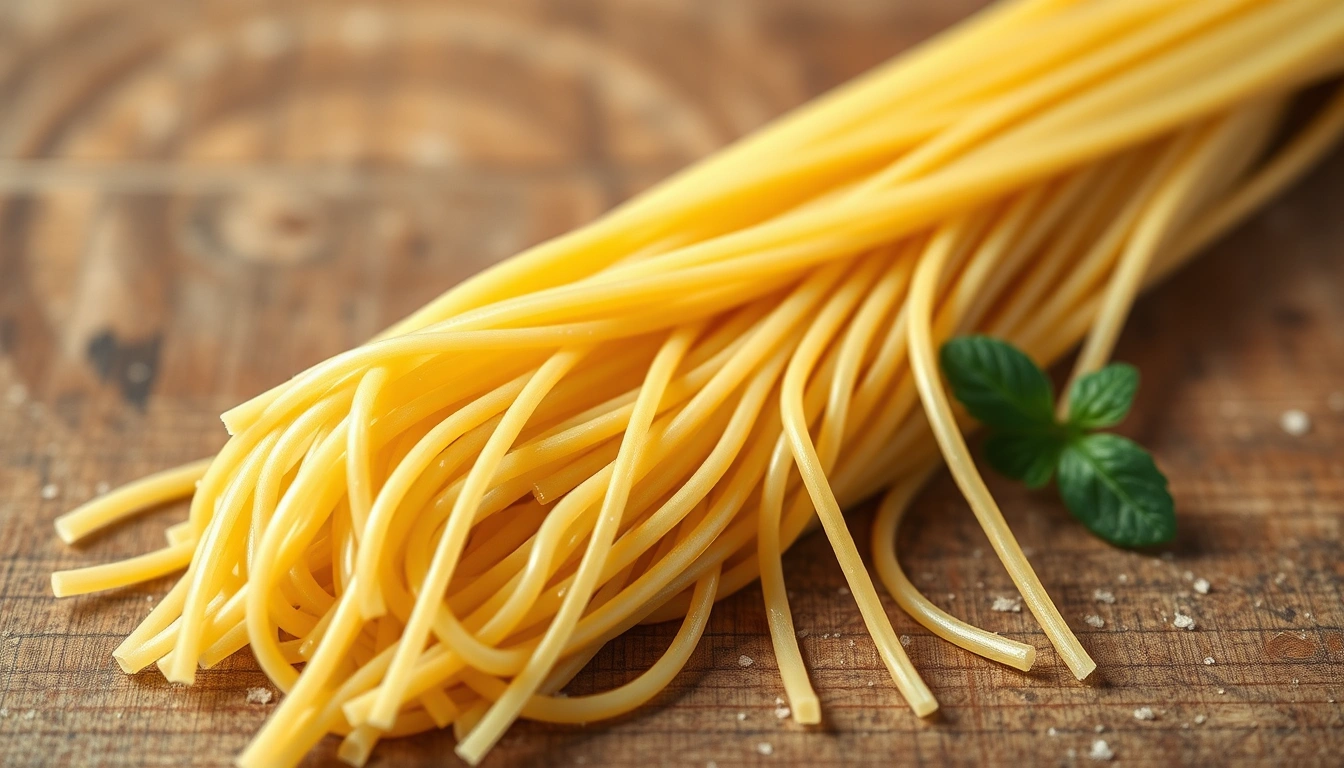
Spaghetti noodles
158 kcal per 100 g
Category: Cereals and Grains
Nutritional information (per 100 g)
| Calories | 158 kcal |
| Protein | 5.8g |
| Carbohydrates | 31g |
| Sugars | 1.1g |
| Total fats | 0.9g |
| Saturated fats | 0.2g |
| Fiber | 2.5g |
| Sodium | 1mg |
Vitamins and minerals
Description
Spaghetti noodles are a type of long, thin, and cylindrical pasta, originally from Italy, specifically the Naples region. Their name comes from the Italian spaghetto, which means "small string." This ingredient is one of the most popular and versatile in international cuisine, used primarily in Mediterranean dishes but also present in various gastronomies around the world.
Spaghetti is made from durum wheat semolina and water, which gives it a firm texture suitable for combining with a wide variety of sauces, from classic tomato and basil to preparations with meat, seafood, or vegetables.
Regarding their properties, spaghetti noodles are a good source of energy due to their complex carbohydrate content. They also provide small amounts of protein and dietary fiber, especially if whole wheat versions are chosen. They are low in fat and are considered a staple food for balanced diets when consumed with healthy accompaniments.
In the Hispanic world, besides "espagueti," this ingredient may be known simply as "fideos" in countries like Argentina, Chile, and Uruguay. In Mexico and Central America, the term "espaguetis" is also common. Other synonyms include "long pasta" or, more generally, "pasta", although these terms can encompass other types of noodles.
Spaghetti noodles are ideal for preparing traditional dishes like spaghetti bolognese, spaghetti al pesto, or spaghetti aglio e olio, making them an essential staple in the pantry of any cooking enthusiast.