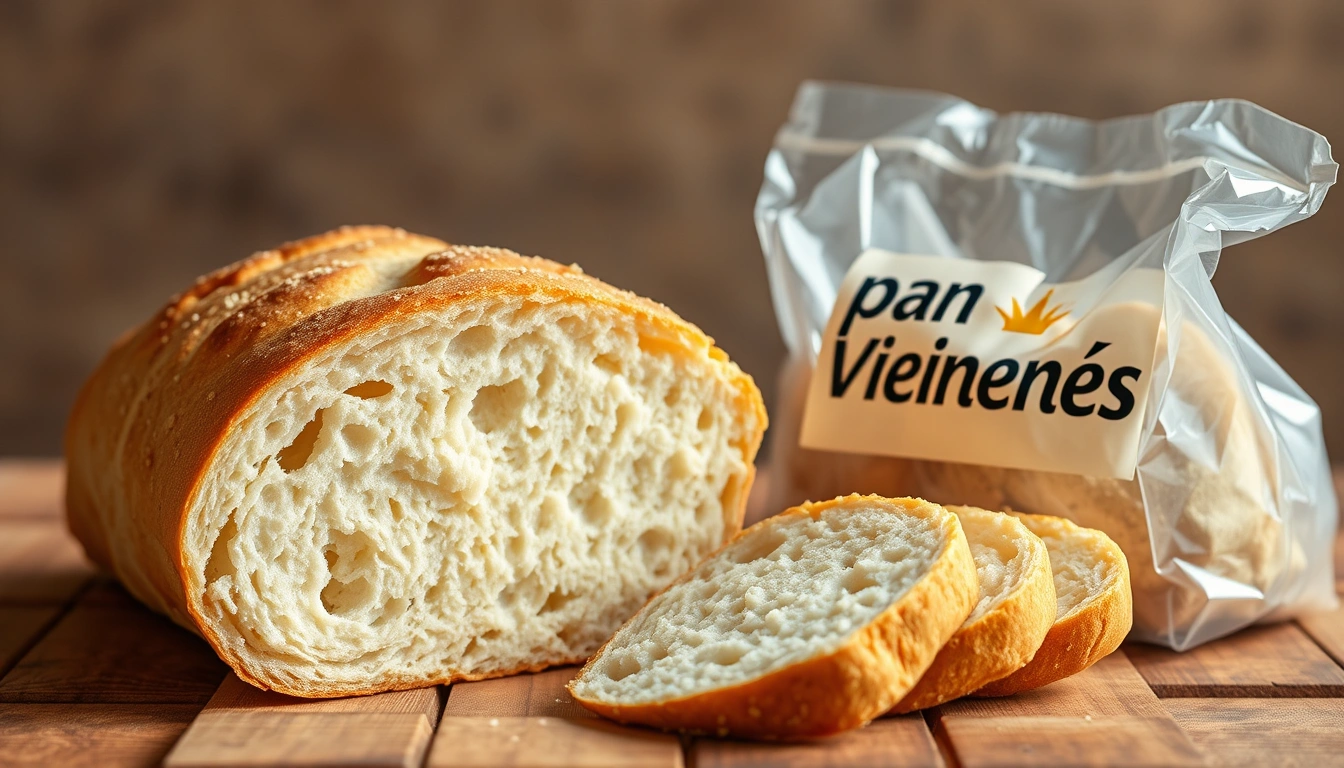
Vienna bread
270 kcal per 100 g
Category: Cereals and Grains
Nutritional information (per 100 g)
| Calories | 270 kcal |
| Protein | 9g |
| Carbohydrates | 53g |
| Sugars | 5g |
| Total fats | 4.5g |
| Fiber | 2.4g |
| Sodium | 450mg |
Vitamins and minerals
Description
Vienna bread is a type of soft and slightly sweet bread, characterized by its spongy texture and delicate crumb. Its crust is thin and golden, making it ideal for both sweet and savory preparations, including sandwiches, snacks, and accompaniments for breakfasts and snacks.
This bread originated in Vienna, Austria, where it was traditionally made with a mixture of wheat flours and a fermentation process that provides aeration and a light texture. European influence brought its recipe to various parts of the Spanish-speaking world, where it was adapted to local markets and varies in size and flavor depending on the region.
From a nutritional standpoint, Vienna bread primarily provides carbohydrates, being a quick source of energy. Its fat and sugar content may be slightly higher than that of regular bread, due to the addition of ingredients such as butter and sugar, which contribute to its characteristic flavor and soft texture.
In different Spanish-speaking countries, Vienna bread may also be known as pan dulce, pan de caja (in some places when it is presented in a loaf pan), or simply soft white bread. However, its most common and recognizable name remains "Vienna bread," especially in traditional recipes and artisanal bakeries.