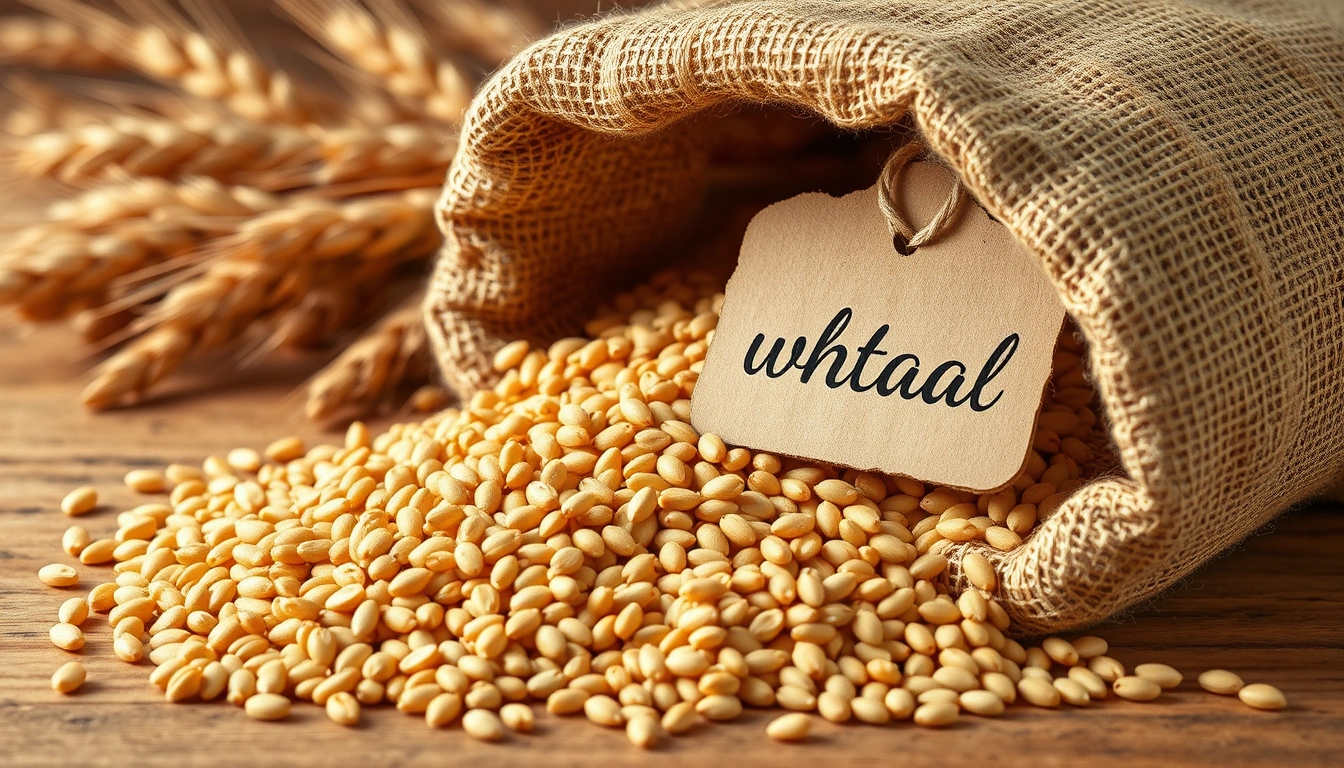
Wheat
327 kcal per 100 g
Category: Cereals and Grains
Nutritional information (per 100 g)
| Calories | 327 kcal |
| Protein | 13.2g |
| Carbohydrates | 71.2g |
| Total fats | 1.5g |
| Fiber | 12.2g |
Vitamins and minerals
Description
Wheat is one of the most widely cultivated and consumed cereals in the world, fundamental in the preparation of a great variety of recipes, especially in baking and pastry. It is a seed that comes from the plant Triticum aestivum, native to the Fertile Crescent region, which spans parts of the Middle East, where it has been cultivated for thousands of years.
Wheat is known for its high content of complex carbohydrates and proteins, mainly gluten, which makes it ideal for making breads and pastas, as it provides elasticity and structure to doughs. Furthermore, it contains dietary fiber, B vitamins, and minerals such as iron, magnesium, and zinc, contributing to a balanced diet.
In different regions of Latin America, wheat may be known by various names or be associated with derived products such as wheat flour, the base for bread, tortillas, cakes, and many other traditional dishes.
Synonyms and related terms in Latin America:
- Wheat flour – the most common product obtained from wheat, used in almost all recipes that require doughs and pastas.
- Common wheat – to differentiate it from other varieties, although it is rarely used in everyday language.
In summary, wheat is an essential ingredient in the cuisine of numerous countries, providing texture, flavor, and key nutritional properties to many culinary preparations.