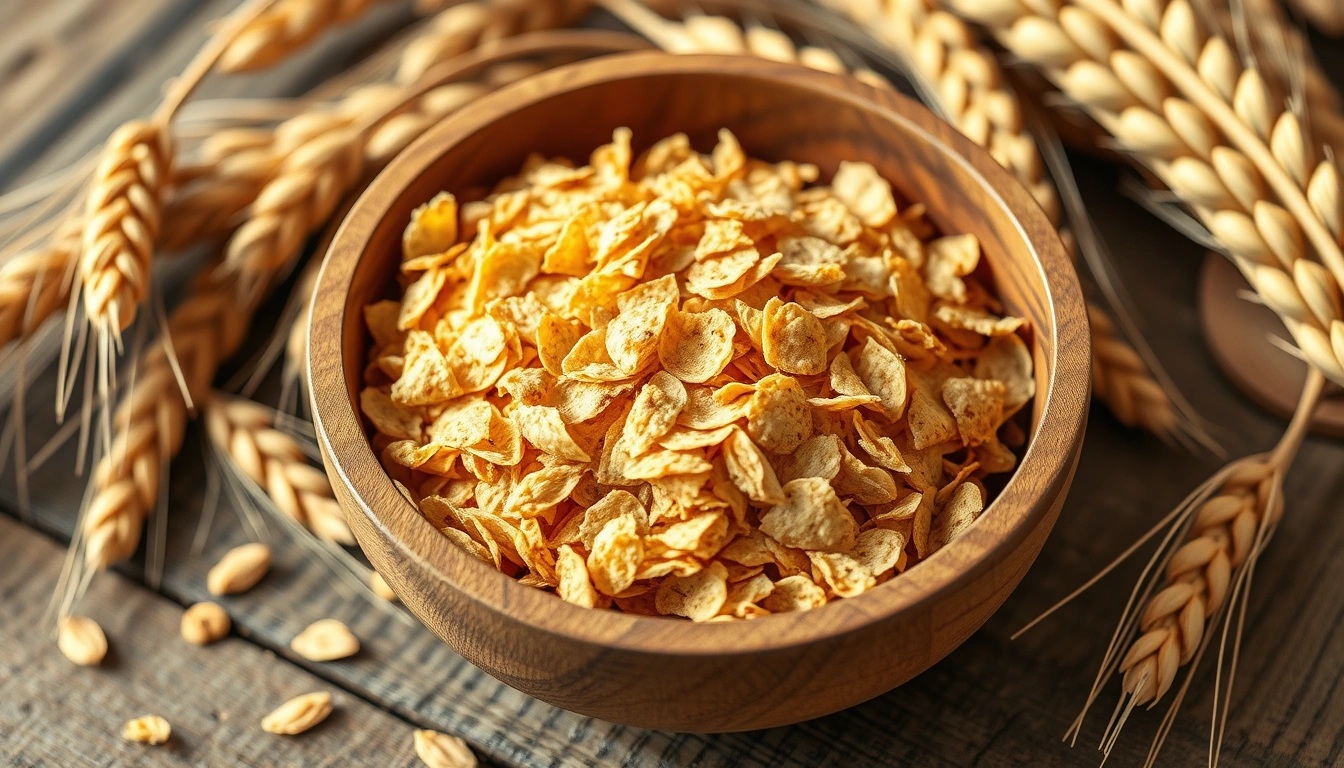
Wheat flakes
340 kcal per 100 g
Category: Cereals and Grains
Nutritional information (per 100 g)
| Calories | 340 kcal |
| Protein | 13g |
| Carbohydrates | 75g |
| Sugars | 1.4g |
| Total fats | 1.2g |
| Fiber | 10.7g |
Vitamins and minerals
Description
Wheat flakes are thin sheets obtained from whole wheat, processed through steaming and flattening of the grains. This ingredient is widely used in cooking to prepare healthy breakfasts, such as cereals, mueslis, and also in baking recipes and breads to add texture and nutritional value.
The origin of wheat flakes lies in the wheat processing industry, a cereal primarily cultivated in temperate regions of Europe, North America, and South America. Traditionally, wheat flakes have been used in European diets and have now become popular globally for their nutritional benefits.
Regarding their properties, wheat flakes are a rich source of dietary fiber, especially soluble and insoluble fiber, which helps improve digestion and provides a feeling of fullness. They also contain plant-based proteins, B vitamins (such as thiamine and niacin), minerals like iron and magnesium, and natural antioxidants. They are ideal for controlling cholesterol and improving cardiovascular health, in addition to being an energetic and nutritious food.
In different regions of Latin America, wheat flakes may also be known as hojuelas de trigo, escamas de trigo, or simply avena de trigo (although the latter can cause confusion with oat flakes). It is important to be aware of these synonyms to facilitate their identification in local recipes.