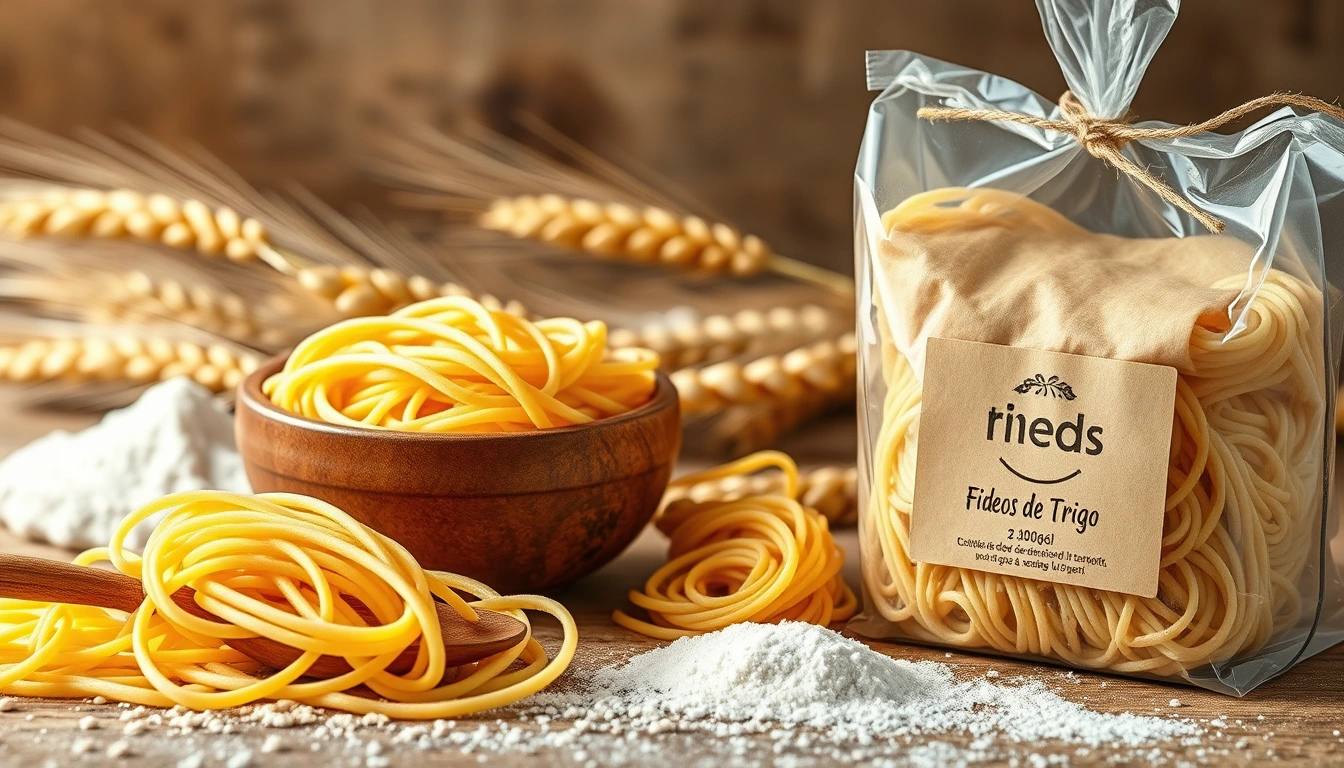
Wheat noodles
364 kcal per 100 g
Category: Cereals and Grains
Nutritional information (per 100 g)
| Calories | 364 kcal |
| Protein | 12.0g |
| Carbohydrates | 75.0g |
| Total fats | 1.05g |
| Fiber | 2.7g |
Vitamins and minerals
Description
Wheat noodles are a type of pasta made primarily from wheat flour and water. Their texture can range from thin and fine to thicker and more robust, depending on the recipe and culinary tradition in which they are used. They are a basic ingredient in many cuisines around the world, especially in pasta dishes, soups, and stews.
Wheat, a cereal grain originating from the Levant region in the Middle East, has been cultivated since antiquity and is one of the most important food staples in various cultures. Wheat noodles are mainly made with durum wheat to obtain a pasta with good consistency and the ability to absorb sauces.
Properties: Wheat noodles are a rich source of complex carbohydrates, which provide sustained energy. They also contain some vegetable protein and fiber (especially if made with whole wheat). They are low in fat and contain no cholesterol. Depending on the manufacturing process and additional ingredients, they can also provide B vitamins and minerals such as iron and magnesium.
In the Hispanic American world, wheat noodles are known by different names depending on the region. Some common synonyms are tallarines, fideos (a generalized term), spaghetti (when they are long and thin), and in some countries they are also broadly known as pastas. In some areas, particularly in the Southern Cone, "wheat noodles" may be used to differentiate them from other types, such as rice or corn noodles.
This ingredient is very versatile and can be used in simple dishes, such as salads or soups, as well as in more elaborate preparations with sauces, meats, and vegetables. Its popularity and adaptability make it an essential for everyday cooking.