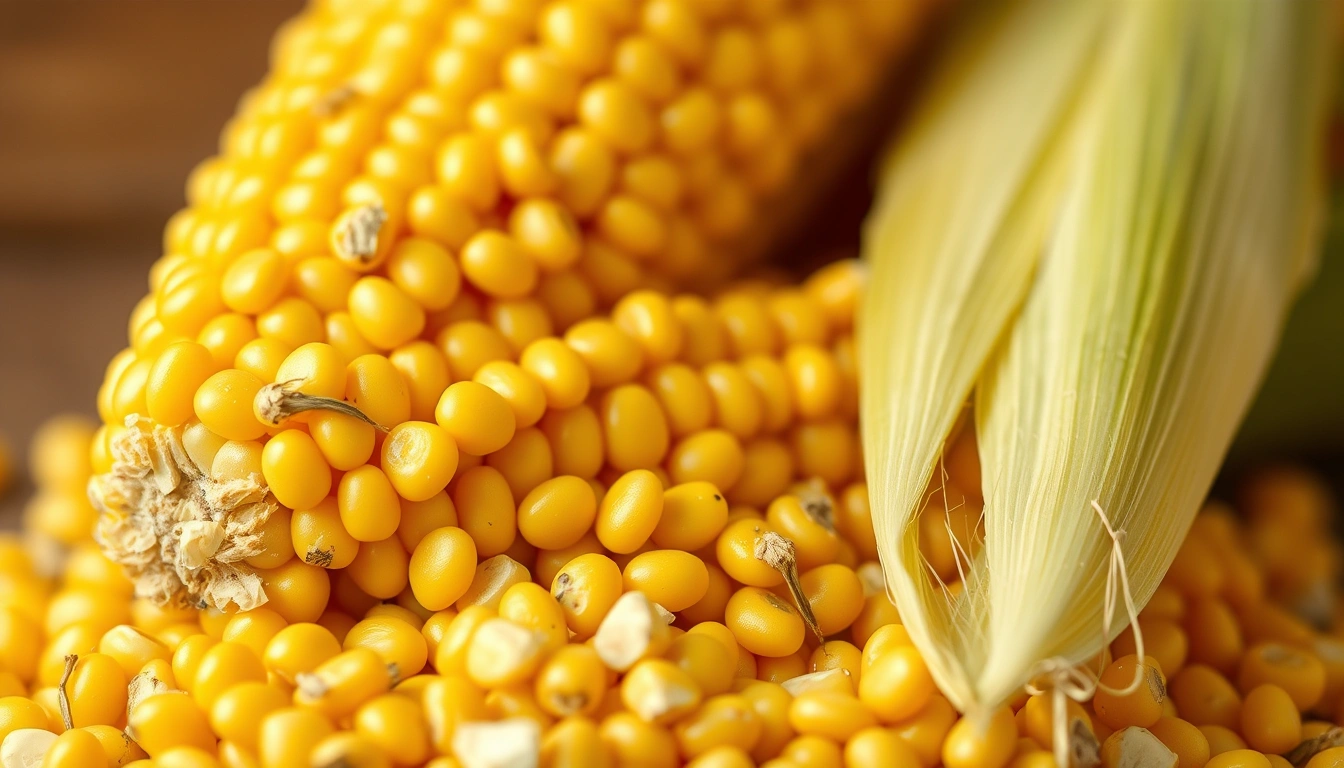
Whole corn
86 kcal per 100 g
Category: Cereals and Grains
Nutritional information (per 100 g)
| Calories | 86 kcal |
| Protein | 3.2g |
| Carbohydrates | 19g |
| Total fats | 1.2g |
| Fiber | 7.3g |
Vitamins and minerals
Description
Whole corn refers to the entire corn kernel that includes all its natural parts: the endosperm, the germ, and the pericarp or outer hull. This ingredient is a staple in the traditional cuisine of numerous countries, especially in Latin America, where corn has been a fundamental crop since pre-Columbian times.
Corn has its origin in Mesoamerica and has been cultivated by civilizations such as the Aztecs and Mayans for thousands of years. Its versatility makes it the base for a wide variety of dishes, from tortillas and tamales to pozole and arepas.
Regarding its properties, whole corn is a good source of complex carbohydrates, dietary fiber, and contains B-complex vitamins, such as thiamine and niacin, in addition to minerals like magnesium and phosphorus. It also provides natural antioxidants, especially when consumed in its whole form.
In different regions of Hispanic America, whole corn may have various synonyms, such as corn grain, dried corn, yellow corn (when it is that color), or simply corn kernel. In some areas, it is also known as choclo, although this term is usually used more for fresh or tender corn.