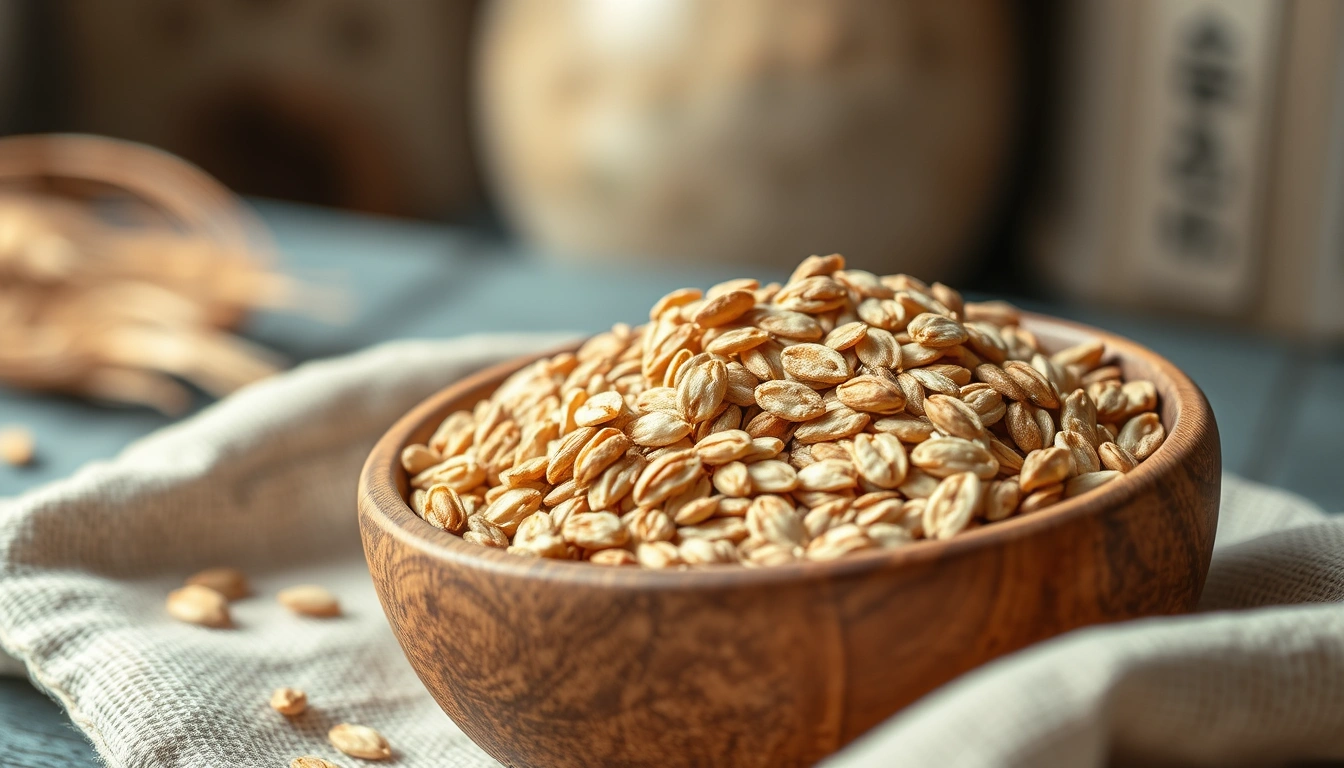
Whole grain cereal
340 kcal per 100 g
Category: Cereals and Grains
Nutritional information (per 100 g)
| Calories | 340 kcal |
| Protein | 12g |
| Carbohydrates | 72g |
| Total fats | 3.6g |
| Fiber | 10.6g |
Vitamins and minerals
Description
Whole grain cereal refers to whole cereal grains that contain all their natural parts: the bran, germ, and endosperm. Unlike refined cereals, whole grain cereal does not lose its nutrients during processing, making it a much healthier and more nutritious option to include in various cooking recipes.
The origin of whole grain cereal is ancient, as it has been consumed by different cultures around the world since remote times. Cereals such as wheat, corn, oats, barley, and rice, in their whole form, have been a fundamental staple of the diet in many regions, especially in the Americas, Europe, and Asia.
Properties: Whole grains are an excellent source of dietary fiber, B-complex vitamins, minerals such as iron, magnesium, and zinc, and natural antioxidants. Their consumption helps improve digestion, control blood sugar levels, promote satiety, and contribute to cardiovascular health.
In different Latin American countries, whole grain cereal may be found under synonyms or related names depending on the specific cereal and context. Some common terms include: whole grain, whole wheat, whole oats, or simply whole to refer to the unrefined version of the cereal being used.
Incorporating whole grain cereal into recipes adds texture, natural flavor, and superior nutritional value, making it ideal for preparing breads, cookies, salads, breakfasts, and a wide variety of healthy dishes.