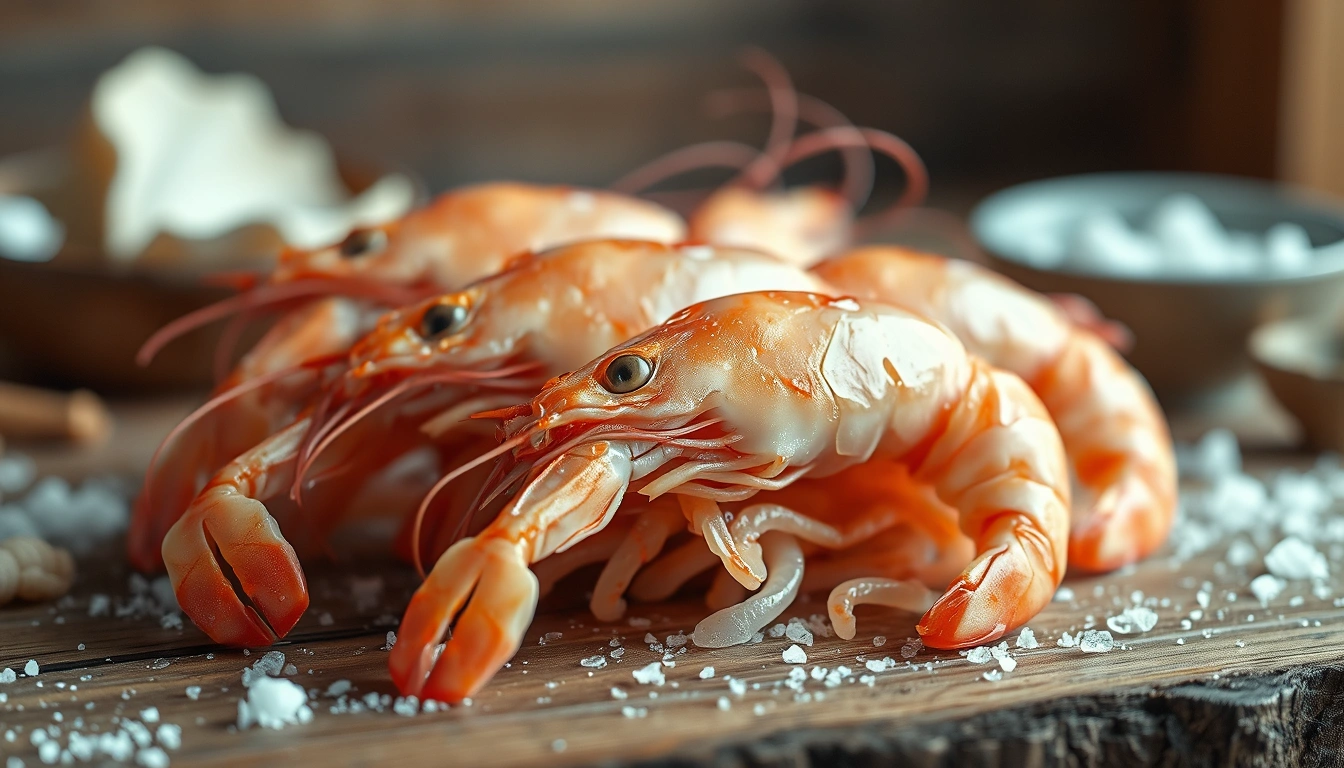
Large shrimp
99 kcal per 100 g
Category: Fish and Seafood
Nutritional information (per 100 g)
| Calories | 99 kcal |
| Protein | 24g |
| Carbohydrates | 0.2g |
| Total fats | 0.3g |
| Fiber | 0g |
| Cholesterol | 195mg |
Vitamins and minerals
Description
Large shrimp are marine crustaceans highly valued in cooking for their delicate flavor and firm texture. They are characterized by their considerable size, which makes them perfect for preparing main dishes or hearty appetizers. This ingredient is very versatile and is used in various recipes such as ceviches, paellas, stews, omelets, stir-fries, and grilled dishes.
Origin: Large shrimp are found in coastal waters of tropical and temperate regions worldwide, with notable presence off the coasts of countries like Mexico, Colombia, Venezuela, Peru, Chile, and the United States. They are caught in the sea or farmed in aquaculture farms, ensuring their year-round availability.
Properties: They are an excellent source of lean protein, low in fat and calories. Furthermore, they provide minerals such as zinc, selenium, and iodine, and B-complex vitamins, especially B12. Their consumption benefits cardiovascular health and contributes to muscle development, making them ideal for a balanced and nutritious diet.
Synonyms in Spanish according to Latin American countries:
- Large shrimp (general term)
- Gambones (Spain, parts of Mexico)
- Langostinos (Argentina, Chile, Uruguay, Colombia)
- Tiger shrimp (Mexico, due to their size and stripes in some cases)
- Quisquillas (some regions of Mexico and Central America)
In cooking, they can be prepared grilled, boiled, in sauces, or fried, and their flavor pairs very well with citrus ingredients, garlic, fresh herbs, and spices.