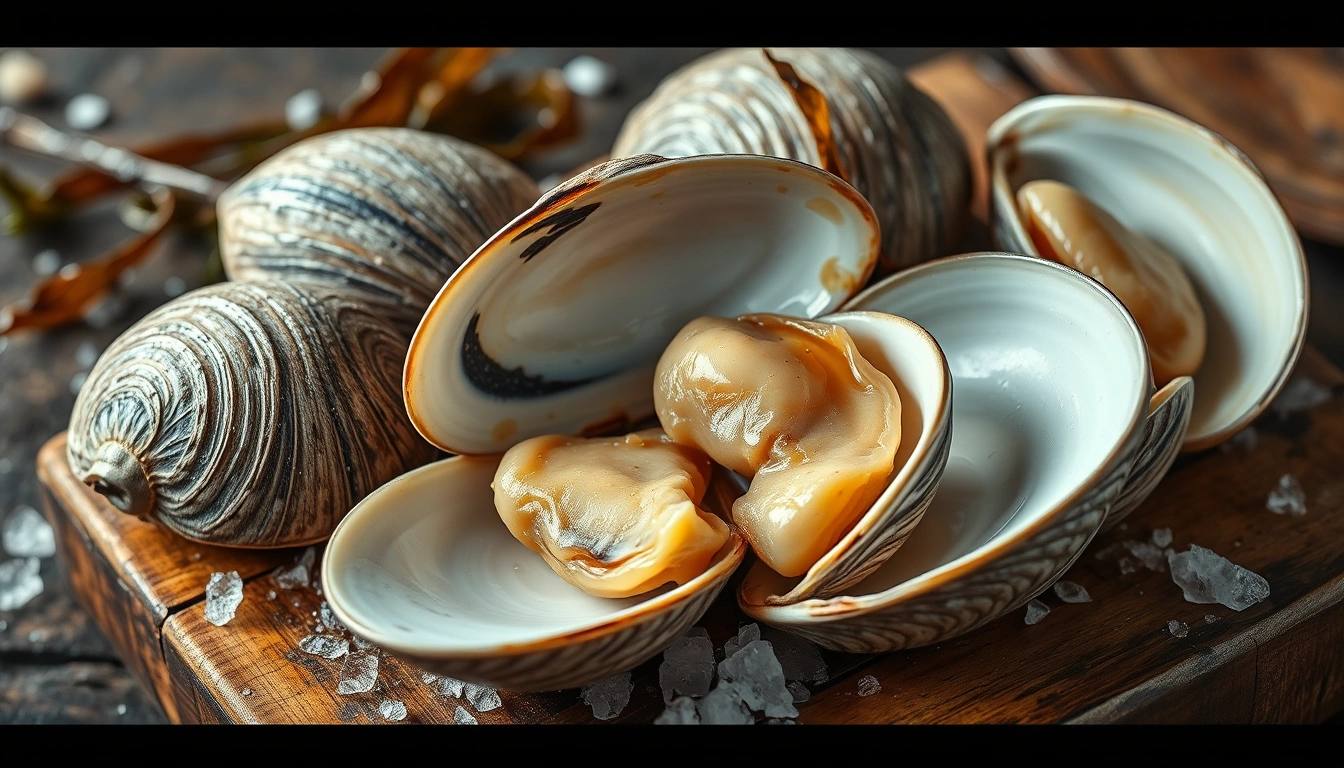
Hard-shell clams
148 kcal per 100 g
Category: Fish and Seafood
Nutritional information (per 100 g)
| Calories | 148 kcal |
| Protein | 25.5g |
| Carbohydrates | 5.1g |
| Total fats | 2g |
| Fiber | 0g |
Vitamins and minerals
Description
Hard-shell clams are marine bivalve mollusks characterized by their robust and resistant shell, which protects their tender and flavorful meat inside. This ingredient is highly valued in gastronomy for its delicious briny flavor and firm texture, ideal for a wide variety of recipes such as soups, rice dishes, stews, and steamed plates.
Their origin is primarily coastal, found in saltwater areas and estuaries around the world, especially in regions of Europe, America, and Asia. In Latin American cuisine, hard-shell clams are typically harvested in temperate and warm climates, complementing the rich tradition of seafood in countries such as Mexico, Chile, Argentina, and Peru.
Regarding their nutritional properties, clams are an excellent source of high-quality protein, low in fat, and rich in minerals such as iron, zinc, magnesium, and calcium. They also contain B vitamins, especially B12, which contribute to the proper functioning of the nervous system and energy metabolism. Due to their natural content of antioxidants and omega-3 fatty acids, they are a healthy food that promotes cardiovascular health.
In different Latin American countries, they are also known by other synonyms, such as: cockles (although in some places this term is used for smaller species with thinner shells), quahogs, or simply clams. It is important to distinguish them by their hard shell for correct identification and use in specific recipes where that particular texture and flavor are sought.