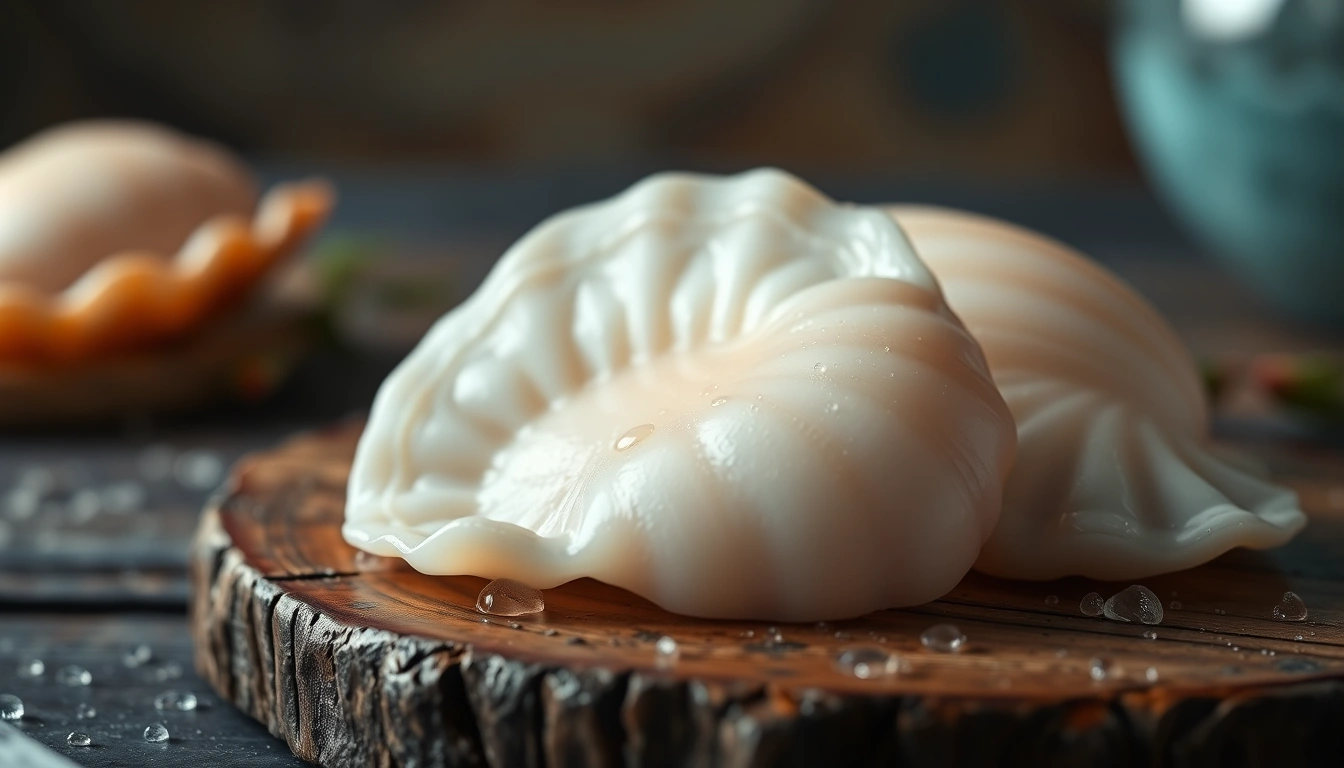
Large scallops
69 kcal per 100 g
Category: Fish and Seafood
Nutritional information (per 100 g)
| Calories | 69 kcal |
| Protein | 14g |
| Carbohydrates | 3.1g |
| Total fats | 0.7g |
| Fiber | 0g |
| Sodium | 286mg |
| Cholesterol | 33mg |
Vitamins and minerals
Description
Large scallops are bivalve mollusks highly prized in gastronomy for their white, firm meat with a delicate and slightly sweet flavor. These shellfish are characterized by their fan-shaped shell with radial ridges, although in cooking only the edible part is used, which is the adductor muscle, commonly known as "concha" or "coquille" in some places.
The origin of scallops is primarily coastal, found in the cold and temperate waters of the Atlantic Ocean, both in Europe (especially in Galicia, Spain) and along the coasts of North America and some Latin American countries. Their fishing is usually regulated to ensure sustainability due to their high culinary demand.
Regarding their properties, scallops are an excellent source of high-quality protein and low in fat, making them ideal for healthy diets. Furthermore, they provide minerals such as magnesium, zinc, and selenium, and B vitamins, which contribute to the proper functioning of the body and strengthening the immune system.
In Latin America, besides "vieiras," these mollusks may have different synonyms depending on the country, such as conchas, conchuelas, or callo de hacha, although the latter term may also refer to similar varieties. It is important to consider the regional context to correctly identify this ingredient in recipes.