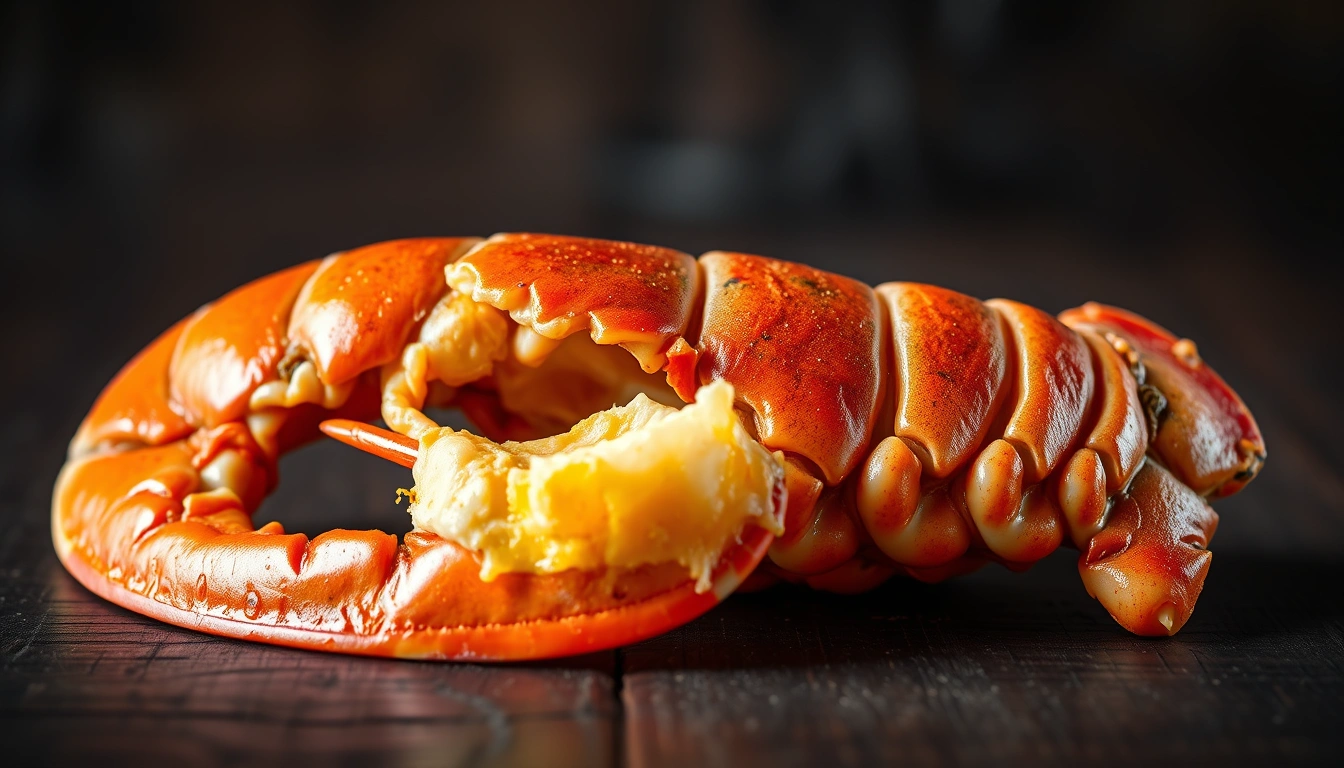
Lobster shell
90 kcal per 100 g
Category: Fish and Seafood
Nutritional information (per 100 g)
| Calories | 90 kcal |
| Protein | 18g |
| Carbohydrates | 0g |
| Total fats | 2g |
| Fiber | 0.0g |
| Sodium | 300mg |
| Cholesterol | 120mg |
Vitamins and minerals
Description
Lobster shell refers to the hard, protective outer covering of the lobster's body, a marine crustacean highly valued in gastronomy. This shell, rich in chitin and minerals, is generally not consumed directly, but it is essential in the preparation of broths and fish stocks that provide an intense and deep flavor to various seafood and soup recipes.
Origin: Lobster is a type of seafood found primarily in the cold and temperate coastal waters of the North Atlantic, although there are also species in other regions of the world. The shell, obtained after cleaning and breaking down the seafood, is a common byproduct in the culinary preparation of lobster-based dishes.
Properties: Lobster shell is rich in chitin, a polysaccharide that provides structure and resistance, and also contains minerals such as calcium and magnesium. In cooking, it is primarily used to extract flavor through the preparation of concentrated broths that serve as a base for sauces, risottos, bisques, and other seafood stews.
Synonyms in Latin America: Although the term "lobster shell" is the most common, it can also be referred to as lobster carapace or lobster carcass, terms that vary by region but maintain the same meaning in the culinary context.