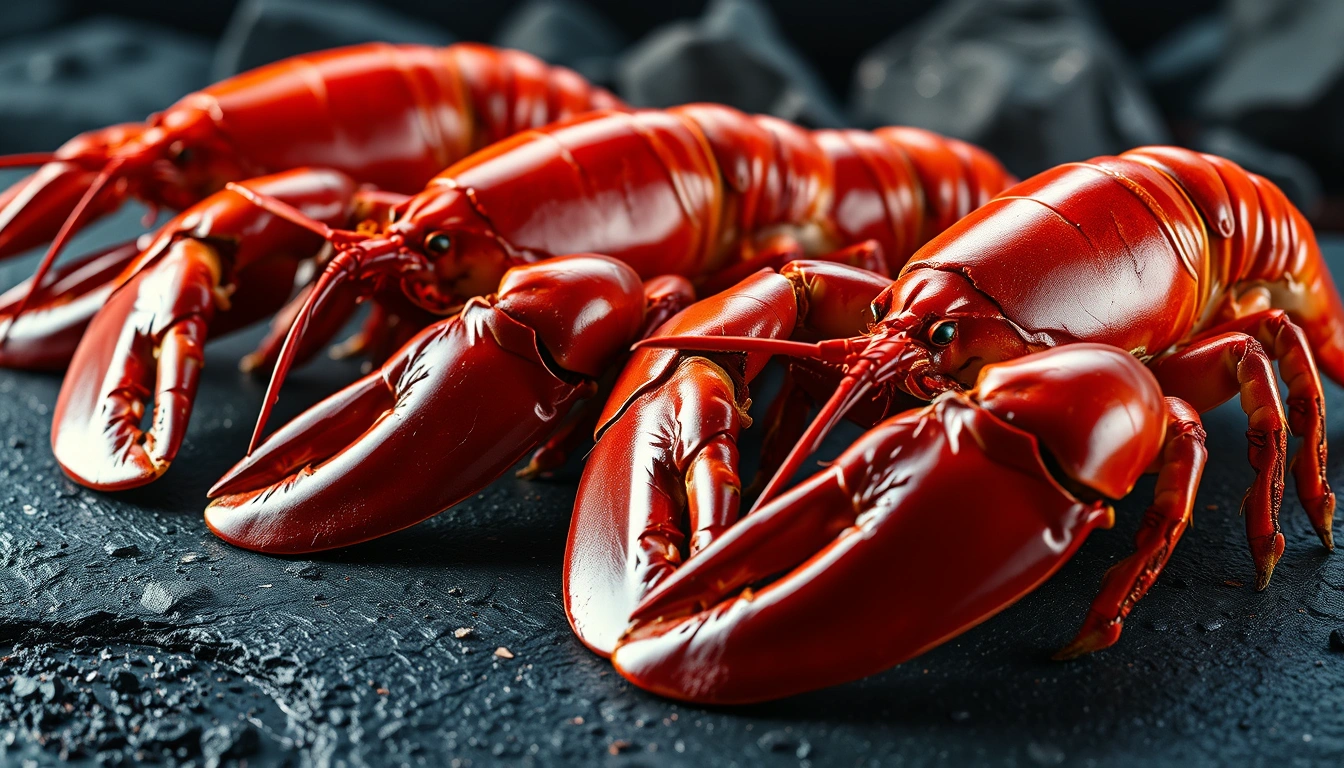
Lobsters
90 kcal per 100 g
Category: Fish and Seafood
Nutritional information (per 100 g)
| Calories | 90 kcal |
| Protein | 19g |
| Carbohydrates | 0g |
| Total fats | 1.2g |
| Fiber | 0g |
| Sodium | 486mg |
| Cholesterol | 124mg |
Vitamins and minerals
Description
Lobsters are marine crustaceans highly valued in gastronomy for their soft, juicy, and delicately flavored flesh. They are characterized by their elongated bodies, covered in a hard shell and with large front claws, although in some lobster species, such as the spiny lobster, these claws are less developed or absent.
The origin of lobsters dates back to temperate and tropical ocean waters in various parts of the world, including the North Atlantic, the Caribbean, and the Pacific. These crustaceans typically inhabit rocky bottoms and marine reefs, where they take shelter during the day and come out to feed at night.
In terms of nutritional properties, lobster is an excellent source of lean protein, low in fat, and rich in minerals such as zinc, phosphorus, and magnesium. It also contains B vitamins, like B12, which is essential for the nervous system. It also provides omega-3 fatty acids, beneficial for cardiovascular health.
In Latin America, lobster is known by several synonyms depending on the region, including cigala (although this term's usage may vary), bogavante (more common in Spain but understood in several countries), and in Caribbean areas, it is simply called sea lobster. It is important to note that in some countries, the word "langosta" may also refer to other similar crustaceans, so its exact identification depends on the local culinary context.
In cooking, lobster is used in preparations ranging from boiled or steamed to sophisticated dishes like bisques, salads, or gratins, making it a versatile ingredient that adds a touch of luxury and unique flavor to recipes.