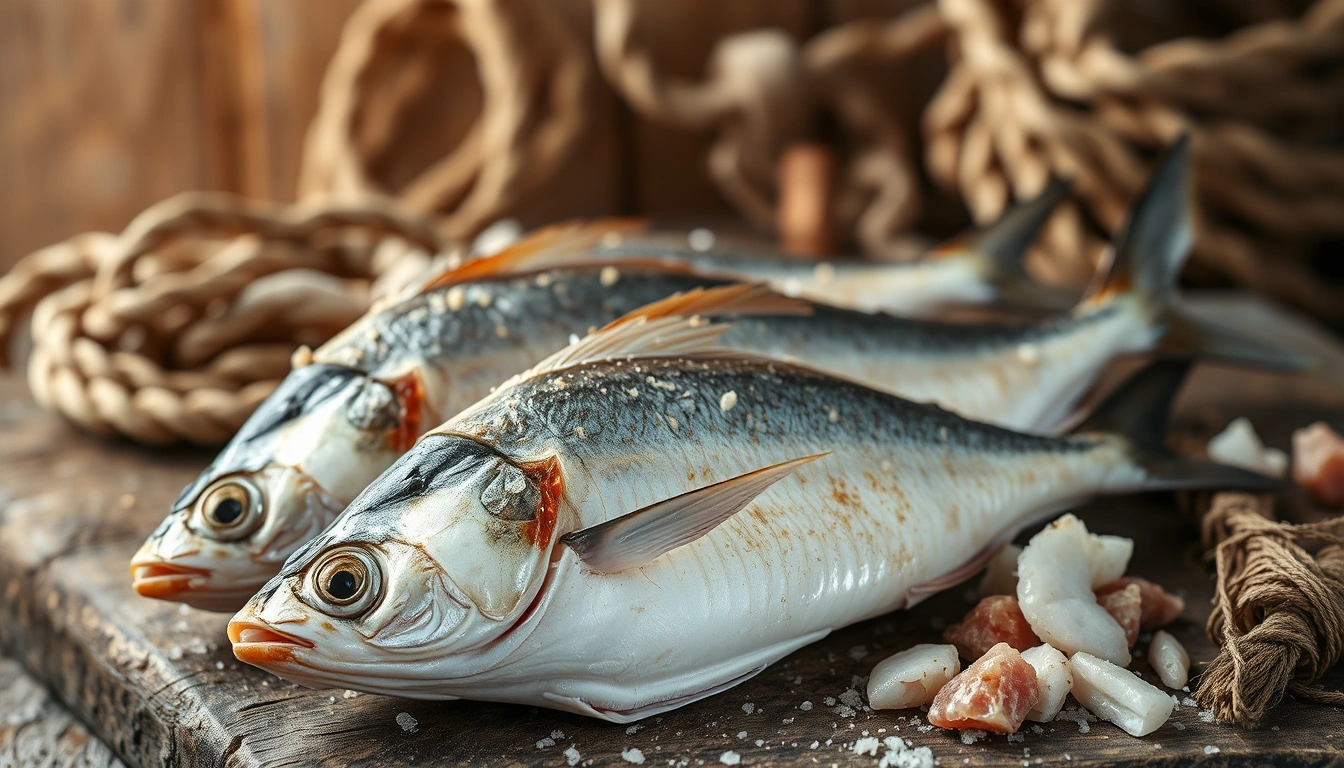
Salted cod
290 kcal per 100 g
Category: Fish and Seafood
Nutritional information (per 100 g)
| Calories | 290 kcal |
| Protein | 62g |
| Carbohydrates | 0g |
| Total fats | 1.5g |
| Saturated fats | 0.3g |
| Fiber | 0g |
| Sodium | 3000mg |
Vitamins and minerals
Description
Salted cod is a type of fish that has been carefully cured through a salting process, which allows it to be preserved for extended periods without refrigeration. It is obtained mainly from fresh cod, generally from species such as Gadus morhua or Gadus macrocephalus, which are cleaned and then covered with coarse salt to extract moisture and prevent the development of bacteria.
This ingredient has a traditional origin in countries with coastlines on the North Atlantic, especially in European regions like Norway, Iceland, and Portugal, although its consumption has become widely popular in Latin America and the Caribbean.
Salted cod is highly valued in cooking for its characteristic flavor, firm texture, and versatility. Before being used in recipes, it is usually desalted in water for several hours, a process that must be done carefully to maintain its texture and flavor. It is a food rich in high-quality protein and low in fat, in addition to containing minerals like sodium, potassium, phosphorus, and B vitamins.
In Hispanic America, salted cod is also known by other synonyms depending on the country or region, among them:
- dried cod
- baccalá (Italian influence in some countries)
- desalted cod (when it has been soaked to remove the salt)
This ingredient is essential in traditional dishes such as Bacalao a la Vizcaína, Bacalhau à Portuguesa, and in Caribbean preparations that combine its salty flavor with local ingredients.