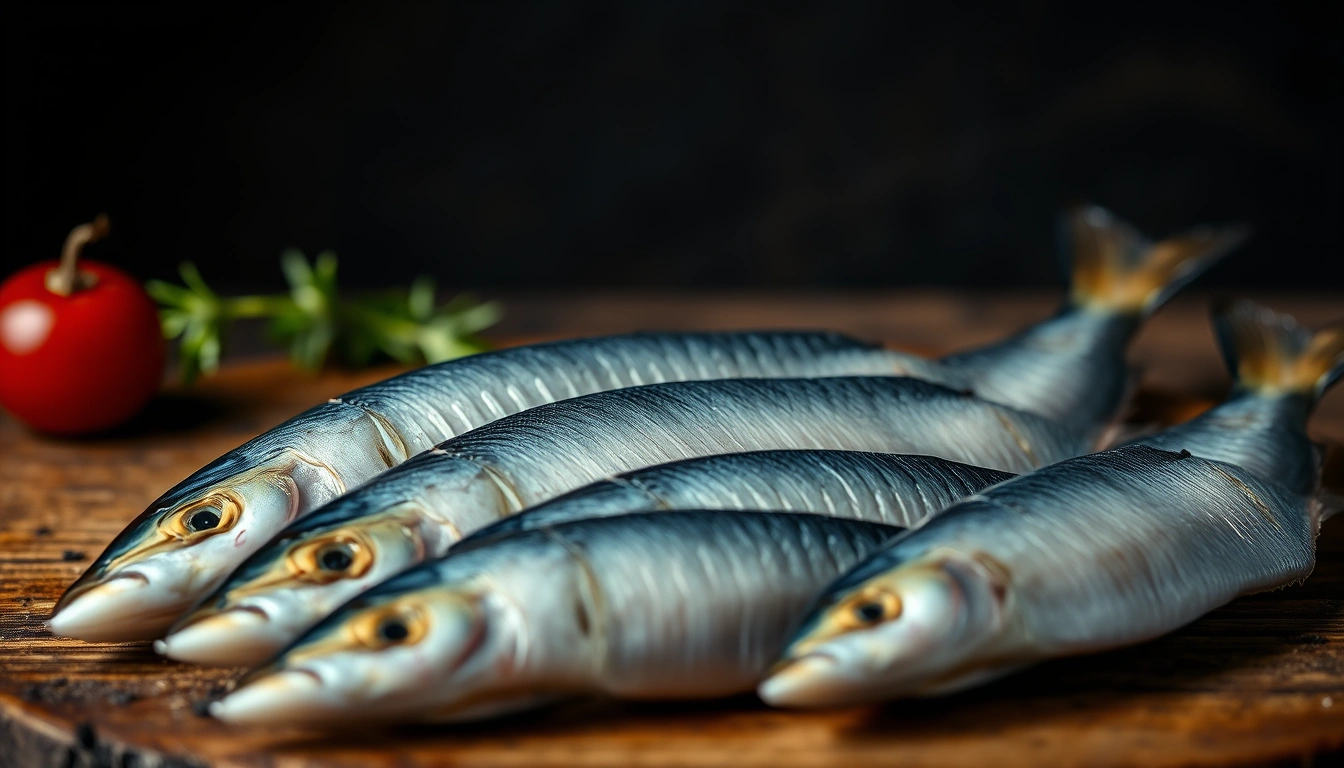
Sardine fillets
208 kcal per 100 g
Category: Fish and Seafood
Nutritional information (per 100 g)
| Calories | 208 kcal |
| Protein | 25g |
| Carbohydrates | 0g |
| Total fats | 11.5g |
| Saturated fats | 1.5g |
| Fiber | 0g |
Vitamins and minerals
Description
Sardine fillets are boneless and cleaned portions of sardines, a small oily fish highly valued in gastronomy for its intense flavor and soft texture. These fillets are typically available fresh, frozen, or canned, making them easy to use in various recipes such as salads, tapas, pastas, and stews.
The sardine (family Clupeidae) is native to the temperate waters of the Atlantic Ocean, the Mediterranean, and is also found in the Pacific. It is a traditional food in Mediterranean and Latin American countries, where it is valued both for its taste and its nutritional benefits.
Regarding their nutritional properties, sardine fillets are an excellent source of omega-3 fatty acids, high-quality protein, vitamins (especially B12 and D), and minerals such as calcium, phosphorus, and iron. These nutrients contribute to cardiovascular health, strengthen bones, and improve brain function.
In different regions of Latin America, sardine fillets may be known by various names or synonyms, although they are generally referred to as sardine fillets. In some countries, they may also be called sardine loins or simply boneless sardines. Although less common, in certain areas the term bocarte fillets is used when they come from very small sardines, as "bocarte" is a synonym for sardine in Spain and some regions.
For cooking, sardine fillets are very versatile; they can be grilled, fried, baked, or incorporated into sauces and fillings, providing a characteristic flavor and a delicate texture that enriches any dish.