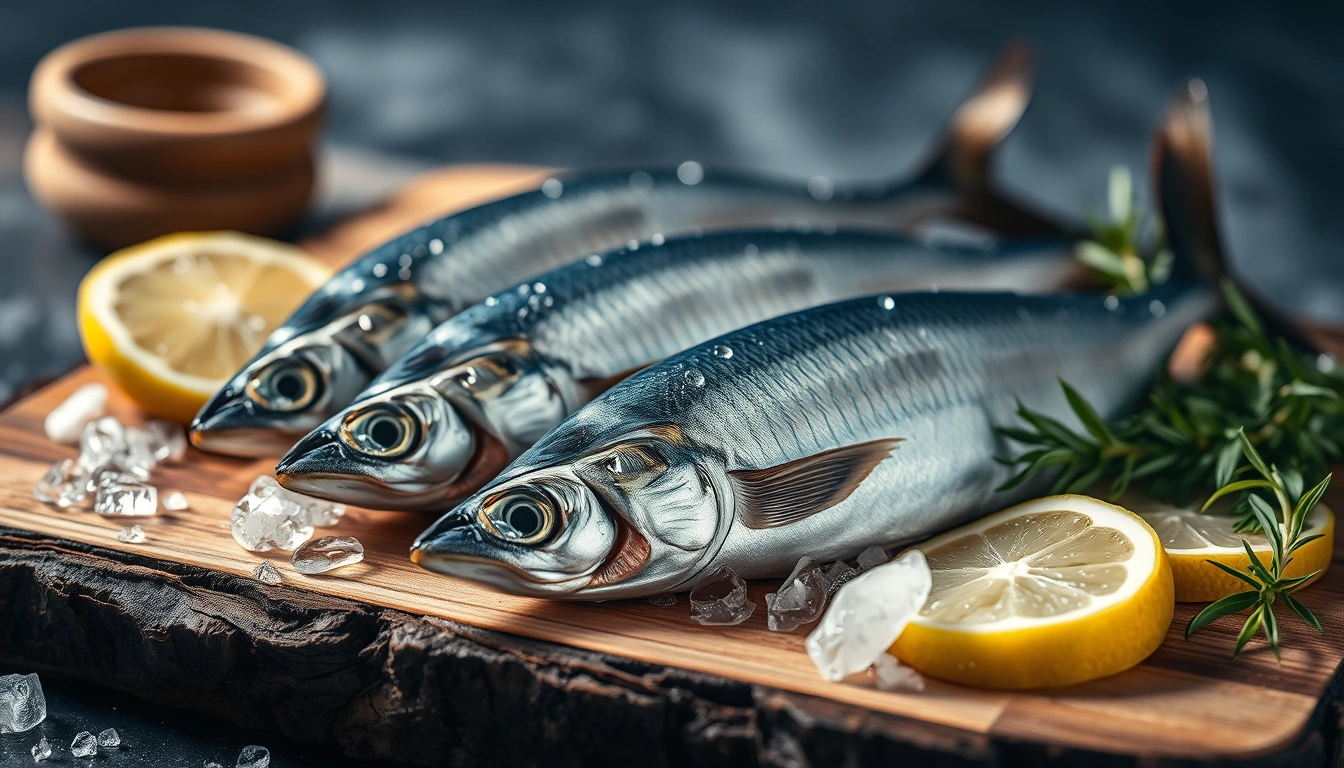
Sardines
208 kcal per 100 g
Category: Fish and Seafood
Nutritional information (per 100 g)
| Calories | 208 kcal |
| Protein | 25g |
| Carbohydrates | 0g |
| Sugars | 0g |
| Total fats | 11.5g |
| Saturated fats | 1.5g |
| Fiber | 0g |
Vitamins and minerals
Description
Sardines are small ocean fish belonging to the Clupeidae family, known for their intense flavor and soft texture. They are very popular in global cuisine, especially in Mediterranean and Latin American cooking, where they are used in fresh, canned, or smoked preparations.
The origin of sardines is maritime, inhabiting temperate and subtropical waters of oceans and seas such as the Atlantic, the Mediterranean, and the Pacific. Their great abundance and ease of fishing make them an accessible and economical ingredient.
Regarding their properties, sardines are an excellent source of omega-3 fatty acids, high-quality proteins, vitamins such as D and B12, and important minerals, including calcium, iron, and selenium. These nutrients contribute to cardiovascular health, strengthen the immune system, and promote good bone health.
In different regions of Latin America, sardines have various names that may vary by country or preparation, including "sardinillas", "small sardines", or simply "sardines". It is common to find them canned with oil, tomato, or spiced sauces, as well as fresh for grilling or preparing stews and ceviches.