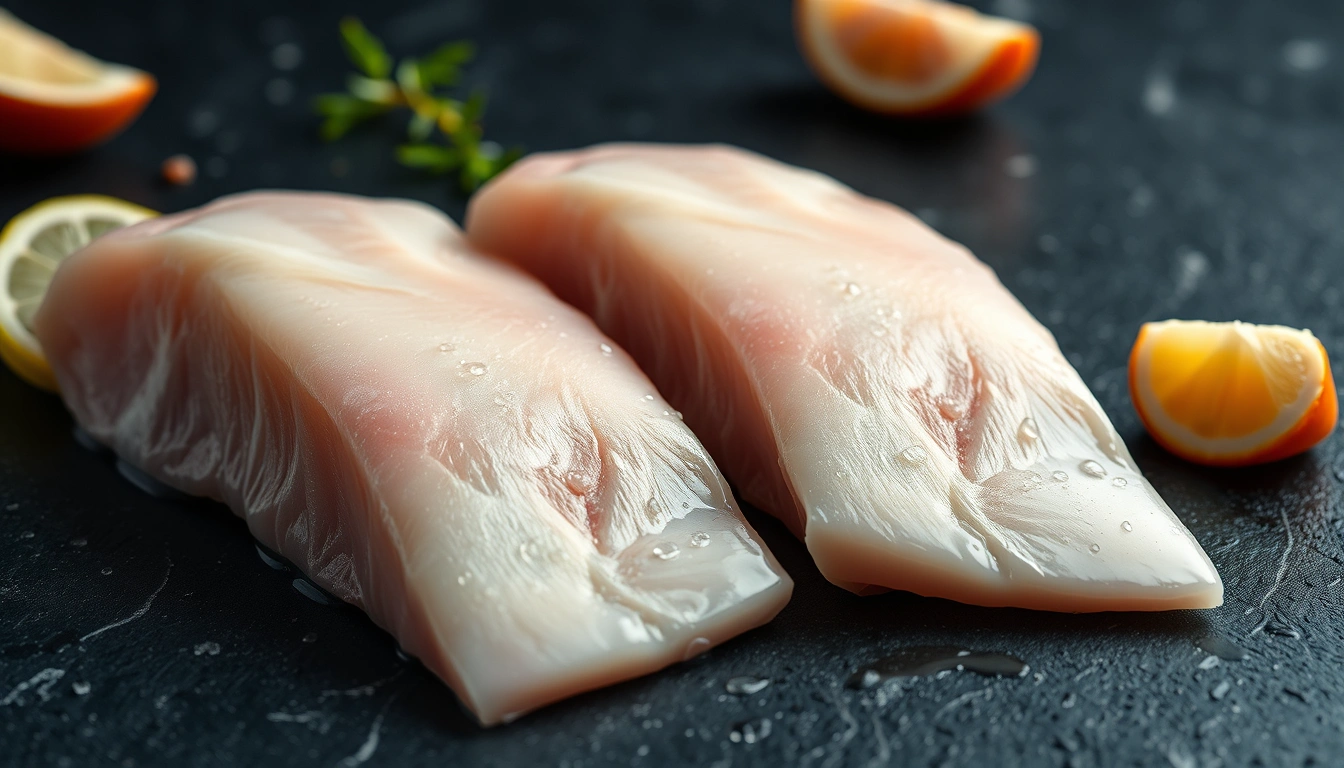
Shark steaks
105 kcal per 100 g
Category: Fish and Seafood
Nutritional information (per 100 g)
| Calories | 105 kcal |
| Protein | 19.5g |
| Carbohydrates | 0g |
| Sugars | 0g |
| Total fats | 2.5g |
| Saturated fats | 0.5g |
| Fiber | 0g |
| Sodium | 390mg |
| Cholesterol | 60mg |
Vitamins and minerals
Description
Shark fillets are clean and boneless portions of shark meat, a cartilaginous fish found in marine waters in various parts of the world. These fillets are characterized by their firm texture and mild flavor, making them ideal for various culinary preparations such as grilled, baked, or in stews.
The origin of shark fillets varies by region, but they are commonly sourced from coastal areas of the Atlantic, Pacific, and Indian Oceans. In countries with a strong marine fishing tradition, such as Mexico, Spain, Peru, and some Caribbean nations, shark is valued for its nutritious and versatile meat.
Regarding its properties, shark meat is an excellent source of high-quality protein and contains omega-3 fatty acids, which contribute to cardiovascular health. It is also low in saturated fat and provides important minerals such as phosphorus and selenium. However, due to its position in the food chain, it is recommended to consume it in moderation due to the potential presence of mercury.
In the culinary sphere of Latin America, the synonyms or alternative names for these fillets may vary by country. Some common terms include cazón fillets (Mexico, Central America), tintorera fillet (Mexico, some regions), and simply shark fillets. The term cazón is especially popular in Mexican cuisine for cuts of shark meat used in traditional dishes such as cazón quesadillas.