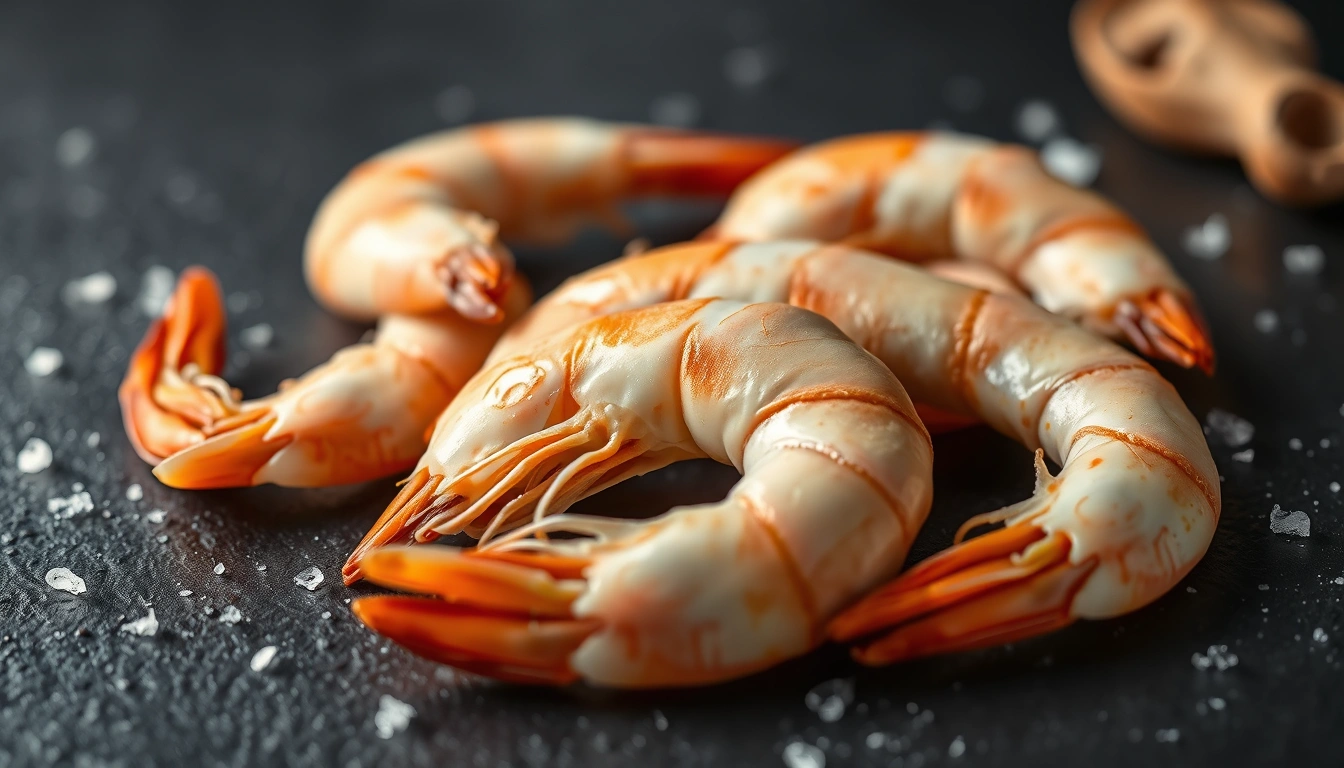
Shrimp shells
80 kcal per 100 g
Category: Fish and Seafood
Nutritional information (per 100 g)
| Calories | 80 kcal |
| Protein | 18g |
| Carbohydrates | 1g |
| Total fats | 2g |
| Fiber | 2.5g |
Vitamins and minerals
Description
Shrimp shells are the hard outer coverings that protect the body of the shrimp, a crustacean widely used in global cuisine. Although commonly discarded, these shells are a valuable ingredient in cooking due to their high umami flavor content and their ability to impart an intense, oceanic flavor to broths, sauces, and stocks.
The origin of shrimp shells comes from the preparation of seafood, especially in coastal regions where shrimp is a staple food. Culinary cultures in Latin America, Asia, and Europe use them to extract essence and depth in their dishes.
Regarding their properties, shrimp shells contain chitin, a polysaccharide that not only contributes to texture but also offers benefits in the preparation of concentrated broths. Furthermore, they provide minerals like calcium and trace elements, which enrich the dish's nutritional value. Although not consumed directly, infusing them in liquids releases complex flavors that elevate the recipe's taste profile.
In Hispanic America, shrimp shells are also known as "cascarones de camarón", "caparazones de camarón", or simply "cáscaras", depending on the region and culinary context. They are an essential resource for those seeking to make the most of seafood ingredients and enhance the flavor of their preparations.