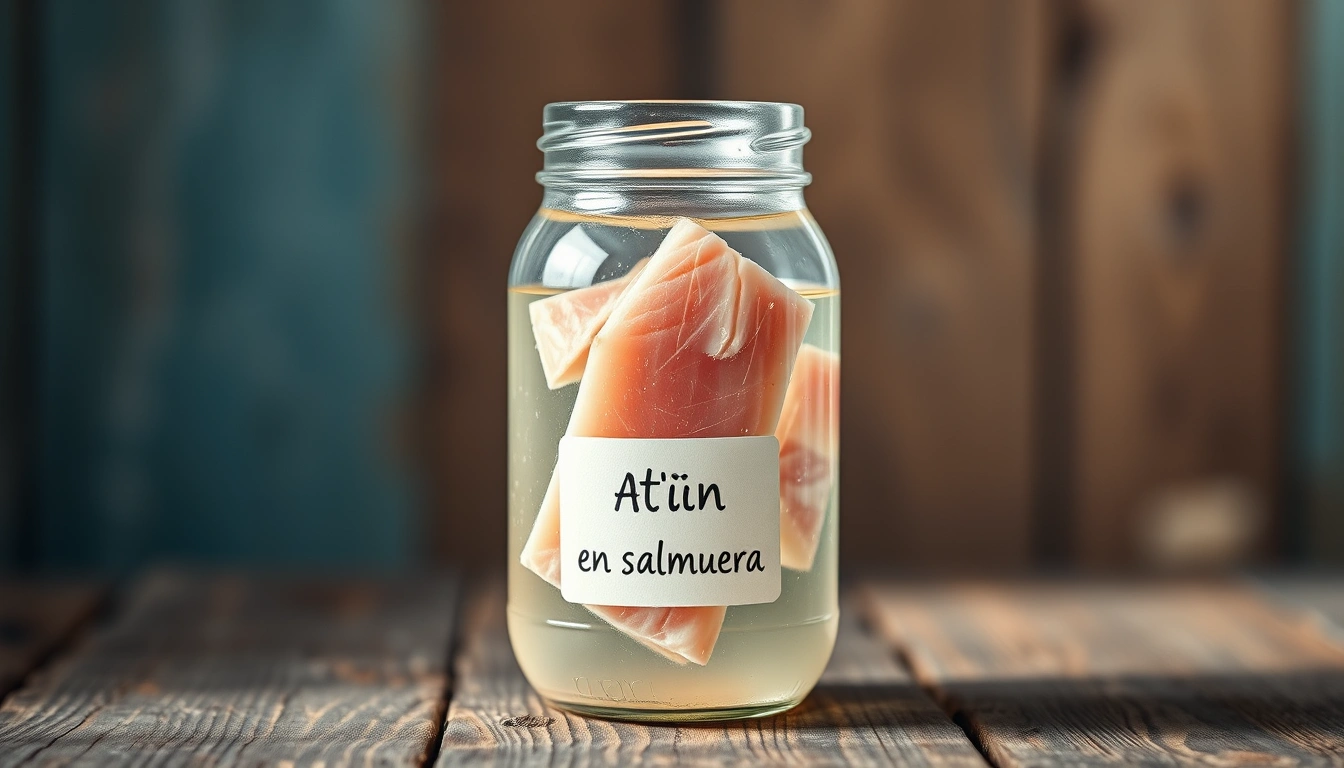
Tuna in brine
116 kcal per 100 g
Category: Fish and Seafood
Nutritional information (per 100 g)
| Calories | 116 kcal |
| Protein | 23.3g |
| Carbohydrates | 0g |
| Total fats | 0.8g |
| Fiber | 0g |
| Sodium | 1200mg |
Vitamins and minerals
Description
Tuna in brine is an ingredient widely used in the cuisine of various coastal regions and in recipes that require a fish with a mild flavor and firm texture. It consists of fresh tuna that has been preserved in a saline solution (brine), which helps maintain its freshness, enhance its natural flavor, and extend its shelf life without losing its nutritional properties.
Tuna is a saltwater fish, commonly caught in oceans and seas worldwide, especially in the Atlantic, Pacific, and Mediterranean. Preservation in brine is a traditional technique that allows for the storage of tuna before its preparation, being popular in the food industry and in the making of homemade preserves.
From a nutritional standpoint, tuna in brine is an excellent source of high-quality protein, omega-3 fatty acids, B-complex vitamins, and minerals such as selenium and magnesium. However, due to the brine, its sodium content is high, so its consumption should be monitored if following a low-salt diet.
In the Spanish-speaking world, this product may also be known as tuna in saltwater, brine tuna, or simply salted tuna, depending on the country and region. It is a staple ingredient in salads, stews, empanadas, and appetizers, providing a characteristic seafood flavor that enhances culinary preparations.